What Is Digital Marketing?
Digital marketing uses online channels — SEO, PPC, content, email, social, and mobile — to reach the right audience, generate leads, and grow revenue with results you can actually measure.
Sahar
Content Writer
Digital marketing is the use of online channels, digital tools, and internet-based strategies to promote products or services, reach a target audience, increase website traffic, generate leads, and improve conversion rates. If you want to know how businesses grow online today, this guide explains what digital marketing is, how it works, and why it matters.
Need this done right?
Hoop builds the strategy, design and development behind sites like this one — talk to us about yours.
Why Digital Marketing Matters Today
The business world has changed. Customers no longer depend only on newspapers, billboards, or television to discover brands. Today, they search on Google, scroll through social media, read emails, compare websites, and watch videos before making decisions. That shift is exactly why digital marketing has become essential for every modern business.
A strong marketing strategy now depends on how well a business performs online. Even a small business can compete with larger brands if it understands its target audience, uses the right digital channels, and builds a clear online presence. This is one of the biggest reasons online marketing is so powerful. It allows brands to reach people where they already spend their time.
Moreover, internet marketing gives businesses something traditional marketing often cannot: clear measurement. You can track website traffic, monitor customer engagement, study marketing analytics, and calculate return on investment. In simple words, digital marketing helps you promote smarter, not just louder.
Digital Marketing Definition in Simple Words
At its core, digital marketing means promoting a business through the internet and digital communication platforms. It includes every method a company uses online to reach potential customers. That can include a website, blog, search engines, social media platforms, paid ads, email newsletters, mobile apps, and even text messages.
In other words, if a brand is using the internet to build awareness, attract leads, increase sales, or improve customer relationships, it is doing online marketing.
A simple digital marketing definition would be this: it is a process of connecting with customers online by using the right content, the right message, and the right channel at the right time.
Therefore, digital marketing is not just about posting on Facebook or running ads on Google. It is a complete digital strategy that combines planning, creativity, data, communication, and technology.
How Digital Marketing Works
To understand what is digital marketing, you need to understand how it works in practice. A digital marketing campaign usually follows a clear path.
First, a business identifies its target audience. This means understanding who the ideal customer is, what they need, what problems they face, and where they spend time online.
Second, the business creates a marketing plan based on those insights. That plan may include search engine optimization, social media marketing, email marketing campaigns, or pay-per-click advertising.
Third, the business publishes content or runs campaigns across chosen digital channels. The goal may be brand awareness, lead generation, customer acquisition, or direct sales.
Fourth, the business measures results using marketing analytics, data analytics, and platform reports. It tracks what is working, what is not, and where improvements are needed.
Finally, the strategy is refined over time. This is important because marketing trends, customer behavior, and algorithms change constantly. Strong digital marketing is never random. It is tested, measured, and improved.
Main Types of Digital Marketing
There are many forms of digital marketing, and each one serves a different purpose. The best approach depends on your goals, industry, audience, and budget.
Search Engine Optimization
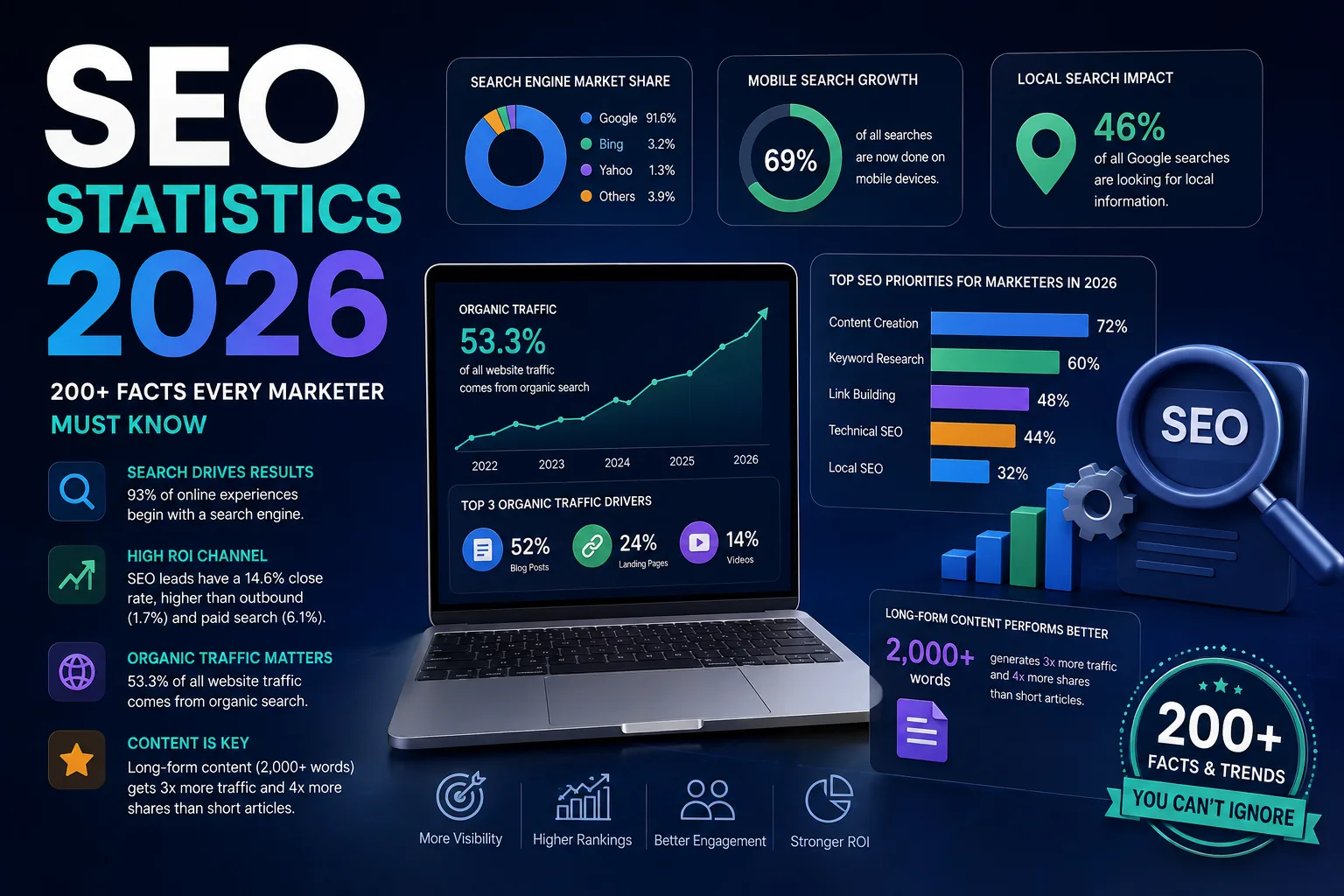
Search engine optimization or SEO is the process of improving a website so it ranks higher in search engine results. When someone searches for a product, service, or question on Google, SEO helps your website appear in front of them.
Good SEO involves keyword research, content creation, technical improvements, internal linking, and better user experience. It also supports website traffic, brand awareness, and long-term visibility.
Because SEO brings organic traffic, it is often one of the most valuable parts of a long-term digital strategy.
Pay-Per-Click Advertising
Pay-per-click or PPC is a form of online advertising where businesses pay when someone clicks their ad. Platforms like Google Ads allow companies to appear above organic results for important keywords.
PPC is useful when brands want faster visibility, targeted traffic, and measurable outcomes. It is also a key part of search engine marketing or SEM.
Unlike SEO, which grows gradually, PPC can create immediate exposure. However, it requires budget control, smart targeting, and regular optimization to protect ROI.
Social Media Marketing
Social media marketing uses platforms such as Facebook, Instagram, LinkedIn, TikTok, Pinterest, and X to connect with audiences. It can help build customer engagement, grow brand loyalty, and increase visibility.
Businesses use social media to share content, run campaigns, answer questions, promote products, and build relationships. In addition, social media advertising allows highly targeted campaigns based on demographics, interests, and behavior.
For many brands, social media is where the audience first discovers them. That makes it a major driver of online branding and audience connection.
Content Marketing
Content marketing is the creation and distribution of valuable content to attract and educate an audience. This includes blog articles, guides, case studies, videos, graphics, downloadable resources, and more.
A strong content marketing strategy does not simply sell. Instead, it informs, solves problems, builds trust, and moves readers through the customer journey.
For example, a blog answering “what is digital marketing” helps users learn something useful. At the same time, it helps the business rank for search terms, build authority, and attract qualified traffic.
Email Marketing
Email marketing remains one of the most effective digital marketing methods. It allows businesses to send direct messages to subscribers, leads, or customers.
These emails may include newsletters, promotional offers, educational content, event updates, welcome sequences, or abandoned cart reminders. Good email marketing campaigns feel personal, relevant, and timely.
Since email goes directly to the user, it is one of the strongest channels for relationship building, repeat engagement, and customer retention.
Affiliate Marketing
Affiliate marketing is when individuals or publishers promote a business and earn a commission for each sale or lead they generate. This approach helps brands extend their reach without doing all promotion alone.
It is commonly used in e-commerce marketing, product-based businesses, and online education. When managed well, affiliate marketing can be a smart performance-based growth channel.
Mobile Marketing
Mobile marketing focuses on reaching users through smartphones and tablets. Since so much browsing happens on mobile devices, this channel is no longer optional.
It includes mobile-friendly websites, SMS marketing, app notifications, location-based marketing, and mobile ads. Businesses that ignore mobile often lose both traffic and conversions.
Performance Marketing
performance marketing is a results-focused approach where businesses pay for measurable actions such as clicks, leads, sign-ups, or sales. It often includes PPC, paid social, affiliate campaigns, and conversion-focused landing pages.
This method is popular because it ties spending more closely to outcomes. For businesses focused on growth, performance marketing can be a powerful way to improve accountability and budget efficiency.
Digital Marketing Channels Businesses Use
A business does not need to use every channel. However, it should choose the right mix based on goals and audience behavior.
Common digital channels include:
- Search engines like Google and Bing
- Social media platforms
- Email platforms
- Business websites and blogs
- YouTube and video platforms
- Display advertising networks
- Mobile apps and SMS
- Affiliate networks
Each channel plays a different role. Search often captures intent. Social builds visibility. Email nurtures relationships. Content builds trust. Paid ads create speed. Together, they form a complete marketing strategy.
Benefits of Digital Marketing
There are many reasons businesses invest in digital marketing. The benefits are both practical and powerful.
Better Targeting
One of the biggest strengths of digital marketing is the ability to reach a clear target audience. Instead of marketing to everyone, businesses can target people by location, age, interests, search behavior, device, or buying intent.
This makes campaigns more efficient and more relevant.
Higher Brand Awareness
A strong online presence helps businesses become more visible. Through SEO, social media, and content, brands can stay in front of their audience regularly.
This repeated visibility strengthens brand awareness and trust.
More Leads and Sales
The right marketing campaigns can drive lead generation, improve customer acquisition, and increase revenue. For example, a well-optimized landing page with strong PPC ads can bring qualified traffic and conversions quickly.
Measurable Results
With marketing analytics, businesses can study clicks, traffic sources, time on page, conversion paths, and campaign performance. This makes digital marketing highly measurable.
As a result, businesses can adjust faster and spend more wisely.
Better ROI
Because campaigns can be measured and improved, return on investment is often easier to manage. Businesses can identify which channels, messages, or offers create the best results.
That is why ROI is one of the most important ideas in digital marketing.
Stronger Customer Engagement
Through email, social media, personalized content, and mobile communication, brands can build ongoing relationships. This leads to better customer engagement, stronger loyalty, and increased repeat business.
Inbound Marketing vs Outbound Marketing
A good article on what is digital marketing should also explain the difference between inbound marketing and outbound marketing.
Inbound marketing attracts customers by offering useful content, SEO visibility, and value. Blog posts, videos, educational resources, and email nurturing are all examples.
Outbound marketing pushes messages outward. This may include display ads, cold outreach, sponsored placements, and aggressive promotional campaigns.
In practice, many businesses use both. However, inbound marketing is often more sustainable for long-term trust, while outbound marketing can help drive faster attention.
The Role of Marketing Analytics
Without data, marketing becomes guesswork. That is why marketing analytics is central to modern digital marketing.
Analytics help businesses answer important questions:
- Where is traffic coming from?
- Which pages are converting best?
- Which campaigns are wasting budget?
- Which audience segments are engaging most?
- What content is generating leads?
Using data analytics, businesses can make better decisions. They can improve pages, shift budget, refine targeting, and strengthen messaging.
In other words, analytics turn activity into insight. And insight leads to smarter marketing.
Marketing Automation and Marketing Technology
As digital marketing grows more complex, businesses rely on marketing automation and marketing technology to manage work more efficiently.
Marketing automation tools can send emails automatically, score leads, segment audiences, schedule campaigns, and support follow-up sequences. This saves time and improves consistency.
At the same time, marketing technology includes analytics tools, CRM systems, ad platforms, SEO tools, content systems, and customer tracking software.
Together, these tools improve efficiency, support personalization, and help teams manage campaigns at scale.
Customer Relationship Management in Digital Marketing
Customer relationship management or CRM is closely connected to digital marketing. A CRM system helps businesses organize customer data, track interactions, and manage relationships.
For example, if a lead downloads a guide, signs up for a newsletter, and later books a demo, the CRM helps record that journey. Then marketing and sales teams can respond more intelligently.
CRM makes customer engagement more organized, improves lead follow-up, and supports long-term revenue growth.
Digital Marketing for E-Commerce and Online Business
For an online business, digital marketing is not a side activity. It is the engine behind visibility and sales.
e-commerce marketing often includes SEO for product pages, PPC for high-intent keywords, social ads for audience targeting, email automation for cart recovery, and content marketing for trust building.
Because online stores compete heavily for attention, strong digital advertising, product visibility, and user experience are essential.
Whether the business sells physical products, services, subscriptions, or digital products, digital marketing supports every stage of growth.
Digital Transformation and the Digital Landscape
The rise of digital marketing is part of a bigger shift called digital transformation. Businesses are changing how they communicate, sell, serve, and grow in a digital-first world.
This has changed the entire digital landscape. Customers expect faster communication, more personalization, mobile-friendly experiences, and easier decision-making.
As a result, digital communication is now a major business skill. Brands must know how to speak clearly across search, social, email, web, and mobile platforms.
Businesses that adapt to this environment build stronger relevance. Businesses that ignore it fall behind.
Common Digital Marketing Mistakes
Although digital marketing offers many benefits, many brands still struggle because they make avoidable mistakes.
No Clear Strategy
A business may post content or run ads without a real marketing plan. Without goals, targeting, or tracking, results stay weak.
Ignoring SEO
Some brands invest in design or ads but ignore search engine optimization. This limits long-term traffic and discoverability.
Weak Content
Poor content fails to educate, persuade, or rank. A strong content marketing approach should solve problems, answer questions, and support trust.
Not Understanding the Audience
When brands do not understand their target audience, even expensive campaigns can fail.
Focusing on Traffic Alone
High website traffic means little if it does not lead to conversions. Businesses must look at conversion rates, lead quality, and revenue impact.
Poor Budget Allocation
A weak marketing budget strategy can waste resources on channels that do not fit the audience or goals.
How to Build a Strong Digital Marketing Strategy
If you want effective digital marketing, start with structure.
Set Clear Goals
Know whether you want brand awareness, leads, sales, traffic, or retention.
Understand Your Audience
Study customer behavior, interests, needs, and intent.
Choose the Right Channels
Select the digital channels that match your audience and goals instead of trying everything at once.
Create Strong Content
Build helpful, relevant content that supports search, social, and email.
Track Performance
Use marketing analytics to study traffic, engagement, and conversions.
Improve Continuously
The best digital strategy is flexible. Test, learn, and optimize.
Why Many Businesses Work With a Digital Marketing Agency
Some businesses manage marketing in-house. Others choose a digital marketing agency for support, speed, and expertise.
An agency can help with SEO, PPC, social media, content, email, analytics, web strategy, and campaign optimization. This is especially useful for brands that want better execution without building a large internal team.
For example, a growth-focused agency like Hoop can help businesses build a stronger online presence, improve visibility, generate qualified leads, and create a smarter long-term strategy.
In many cases, an agency also helps businesses avoid common mistakes, manage tools better, and improve overall performance.
Conclusion
Now that you understand what is digital marketing, the next step is using it the right way. Digital marketing helps businesses connect with the right people, build trust, increase visibility, generate leads, and improve sales through channels like SEO, PPC, content, email, and social media.
If your business wants a stronger online presence, better lead generation, smarter marketing analytics, and a strategy built for growth, Hoop can help. Contact Hoop today to build a digital marketing strategy that brings measurable results.
“Digital marketing is never random. It is tested, measured, and improved.”
Key takeaways
- 01Digital marketing is a system, not a channel — strategy, content, data, and technology working together
- 02The main types are SEO, PPC, social media, content, email, affiliate, mobile, and performance marketing
- 03Its biggest advantage over traditional marketing is measurement: traffic, conversions, and ROI are all trackable
- 04You don't need every channel — pick the mix that matches your audience and goals, then improve it with data
Written by
Sahar
Content Writer
Frequently Asked
Questions
Everything you need to know before booking a strategy call. Can't find your answer? Contact us directly.
Digital marketing means promoting a business online using channels like websites, search engines, social media, email, and paid ads.
Yes, in most cases digital marketing, online marketing, and internet marketing are used in similar ways. However, digital marketing can sometimes include mobile and digital communication tools beyond the web alone.
The main types include SEO, PPC, social media marketing, content marketing, email marketing, affiliate marketing, mobile marketing, and performance marketing.
It helps businesses reach their target audience, build brand awareness, increase website traffic, generate leads, improve customer engagement, and measure ROI.
There is no single best channel. The right choice depends on your audience, goals, budget, and business model.
They measure traffic, leads, conversions, engagement, customer acquisition cost, and return on investment using analytics tools and platform data.
SEO improves organic visibility over time, while PPC uses paid ads to drive faster traffic and visibility.
Yes. Small businesses often benefit greatly because digital marketing allows cost-effective targeting and measurable growth opportunities.
Keep reading
All articles →
Content Marketing vs Social Media Marketing: What’s the Difference?
Sep 27, 2026 · 10 min read
What Is Social Media Marketing? A Complete Guide for Modern Businesses
Jul 15, 2026 · 12 min read