What Is Social Media Marketing? A Complete Guide for Modern Businesses
Social media marketing promotes a brand across platforms to build awareness, engage an audience, and support lead generation — through a mix of organic content, paid campaigns, community, and analytics.
Sahar
Content Writer
If you are searching for what is social media marketing, you want a clear answer and a practical guide. Social media marketing is the use of social media platforms to promote a brand, connect with a target audience, build brand awareness, increase customer engagement, support lead generation, and grow a business through organic and paid content.
Need this done right?
Hoop builds the strategy, design and development behind sites like this one — talk to us about yours.
What Is Social Media Marketing in Simple Words
Let us start with a simple definition.
Social media marketing, also called SMM, is a part of digital marketing, online marketing, and internet marketing. It means using platforms like Facebook, Instagram, LinkedIn, TikTok, YouTube, and X to reach people, share content, start conversations, build trust, and support business goals.
In basic words, social media marketing is how brands use social platforms to stay visible and relevant.
A business can use social media marketing to:
- Build brand awareness
- Improve customer engagement
- Generate leads
- Increase traffic
- Grow its online presence
- Strengthen customer relationships
- Support sales and retention
So when someone asks what is social media marketing, the answer is not only “posting on social media.” It is a complete marketing strategy that uses social platforms to connect with people and move them toward action.
Why Social Media Marketing Matters Today
Today, people spend a huge amount of time on social media. They scroll, search, watch, compare, comment, share, and discover brands every day. This is why social media has become one of the most important marketing channels for modern businesses.
If your audience is already spending time on these platforms, your business needs to understand how to appear there in a useful and strategic way.
Social media marketing matters because it helps businesses:
- Reach their target audience
- Create stronger audience engagement
- Increase visibility
- Build trust over time
- Humanize the brand
- Stay competitive
- Improve long-term growth
It also gives businesses a direct line to the audience. Unlike some forms of traditional advertising, social media allows two-way communication. Brands do not just broadcast messages. They interact, answer, listen, and build community.
That is why social media marketing is now a major part of a broader digital strategy.
How Social Media Marketing Works
To understand what is social media marketing, you need to understand how it works in practice.
Social media marketing usually follows a simple process:
1. Set social media goals
A business begins by deciding what it wants from social media. These social media goals may include:
- More brand awareness
- Better customer engagement
- More leads
- More website visits
- Better community growth
- Higher conversions
- Improved social media ROI
Without goals, activity becomes random.
2. Understand the audience
Next, the business identifies its target audience. It asks:
- Who are they?
- What do they care about?
- Which platforms do they use?
- What kind of content do they like?
- When are they most active?
This step is essential because great social media marketing is audience-first.
3. Choose the right platforms
Not every business needs every platform. Some brands do better on Instagram. Others perform better on LinkedIn, YouTube, or TikTok. A smart social media strategy focuses on the platforms that match the audience and goals.
4. Create content
Then comes content creation. This includes visuals, videos, captions, posts, carousels, stories, and short-form content. Good social media content should be useful, engaging, and aligned with the brand voice.
5. Publish and manage consistently
A business needs regular posting, fast replies, and active management. This is where social media management becomes important.
6. Analyze and improve
Finally, the business studies social media analytics, tracks KPIs, and improves performance. This is how social media becomes strategic instead of random.
Social Media Marketing vs Traditional Marketing
Traditional marketing uses channels like television, newspapers, radio, and billboards. Social media marketing uses digital platforms where people actively interact and respond.
Here is the difference in simple terms:
- Traditional marketing is mostly one-way
- Social media marketing is two-way
- Traditional campaigns are harder to adjust quickly
- Social campaigns can be updated in real time
- Traditional media often has broad targeting
- Social media allows precise audience targeting
This flexibility is one of the reasons social media marketing is now central to online marketing.
Main Benefits of Social Media Marketing
There are many benefits of social media marketing, especially for businesses that want growth, visibility, and stronger relationships with customers.
Builds Brand Awareness
One of the biggest benefits is brand awareness. Social media helps businesses stay visible in front of the audience. The more often people see your brand in a useful and consistent way, the more familiar and trusted it becomes.
Increases Customer Engagement
Strong customer engagement is another major benefit. Likes, comments, shares, replies, saves, and direct messages all help build a stronger relationship between a brand and its audience.
Supports Lead Generation
Social media can support lead generation through calls to action, links, lead forms, landing pages, and valuable offers.
Improves Online Presence
A strong social media presence makes a business easier to find and easier to trust. It strengthens the brand’s digital footprint.
Supports Community Building
A business can use social media to build a social media community around shared interests, trust, and conversation.
Delivers Measurable Results
Through social media analytics, a business can track reach, clicks, followers, engagement, conversions, and return on investment.
Supports Other Marketing Channels
Social media also supports content marketing, email marketing, website traffic, and broader campaign promotion.
Organic Social Media vs Paid Social Media
A strong article on what is social media marketing should explain the difference between organic social media and paid social media.
Organic Social Media
Organic social media means posting without paying for direct reach. This includes:
- Regular posts
- Stories
- Reels
- Community replies
- Educational content
- Brand updates
- User engagement
Organic social helps build trust, consistency, and long-term audience connection.
Paid Social Media
Paid social media means promoting content through ads. This includes sponsored posts, boosted content, and targeted campaigns on platforms like Facebook, Instagram, LinkedIn, and TikTok.
Paid social is useful for:
- Reaching new audiences
- Driving traffic
- Supporting lead generation
- Retargeting website visitors
- Scaling campaigns faster
The best social media marketing often uses both. Organic content builds trust and community. Paid content expands reach and supports performance goals.
Best Social Media Platforms for Businesses
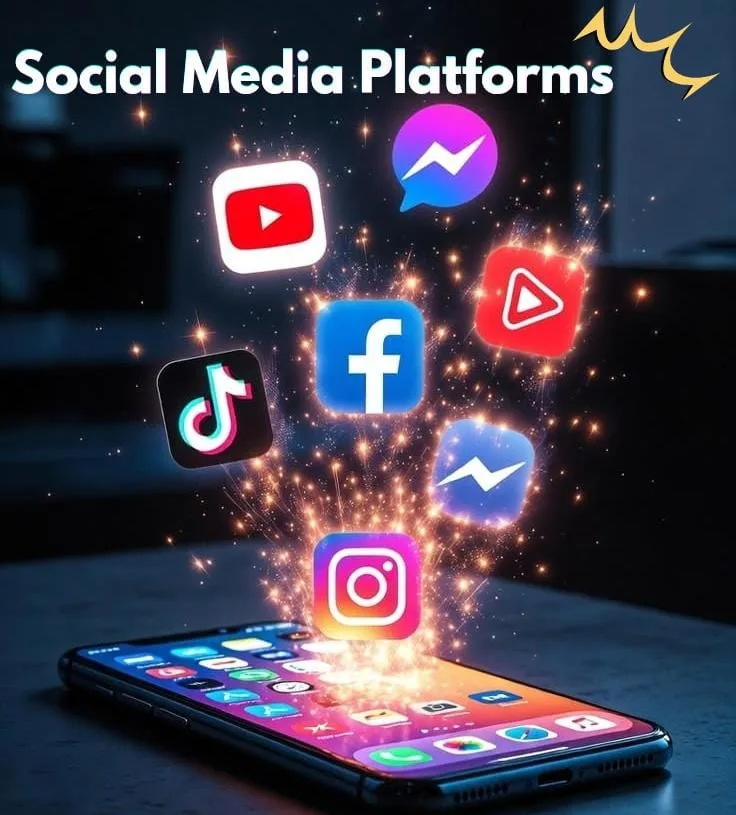
Different social media platforms serve different purposes. Choosing the right platform depends on your audience, content style, and goals.
Facebook is useful for broad reach, paid campaigns, community groups, and remarketing. It still plays a major role in social media advertising.
Instagram works well for visual brands, lifestyle content, short-form video, stories, and product discovery. It is strong for brand building and audience interaction.
LinkedIn is excellent for B2B brands, professional services, industry insights, thought leadership, and lead generation.
TikTok
TikTok is ideal for short-form content, entertainment-led education, trends, and fast attention. It can support strong social media reach and growth when content is creative.
YouTube
YouTube is powerful for long-form education, tutorials, thought leadership, and evergreen video content.
X or Twitter
X can work for commentary, news, fast communication, and real-time conversation, depending on the industry and audience.
Each platform supports a different kind of social networking and audience behavior. That is why businesses should avoid trying to be everywhere without a plan.
Social Media Strategy: What Makes It Effective
A good social media strategy is not based on posting randomly. It is built on purpose.
An effective strategy usually includes:
- Clear business goals
- Defined audience
- Platform selection
- Content themes
- Posting schedule
- Visual direction
- Brand voice
- Engagement plan
- Performance tracking
A strong strategy also answers these questions:
- What do we want to achieve?
- Who are we speaking to?
- Which platforms matter most?
- What type of content will we publish?
- How often will we post?
- How will we measure results?
Without this structure, even active social media efforts can feel weak.
Social Media Content and Content Creation
Social media content is the core of social media marketing. It is what people actually see, react to, and remember.
Common types of social media content include:
- Images
- Carousels
- Short videos
- Stories
- Polls
- Quotes
- Educational posts
- Before-and-after visuals
- Testimonials
- Behind-the-scenes content
- Product demos
- Trend-based content
Good content creation is not only about filling the feed. It is about creating value for the audience.
That value can be:
- Educational
- Inspirational
- Entertaining
- Informative
- Promotional in the right balance
Strong content should also match the audience, the platform, and the business goal.
Social Media Engagement: Why It Matters
Social media engagement is one of the most important parts of SMM. Engagement includes:
- Likes
- Shares
- Comments
- Saves
- Mentions
- Replies
- Direct messages
- Clicks
Why does engagement matter?
Because it shows whether people care about your content. It also helps platforms understand what content is worth showing to more users.
High engagement often improves:
- Reach
- Brand trust
- Community strength
- Content performance
- Customer connection
A brand that talks with people, not just at them, usually grows better.
Social Media Management and Planning
Social media management is the process of planning, creating, publishing, monitoring, and improving social media activity.
This includes:
- Scheduling content
- Reviewing comments
- Answering messages
- Managing brand voice
- Monitoring trends
- Tracking performance
- Adjusting strategy
A business also needs social media planning. Planning helps keep content aligned with campaigns, offers, seasons, launches, and brand goals.
A simple planning system may include:
- Weekly themes
- Monthly campaigns
- Posting calendar
- Platform priorities
- Content goals
- Approval workflow
This creates consistency, and consistency is a big part of success in social media marketing.
Social Media Advertising and Paid Campaigns
Social media advertising is the paid side of SMM. It helps businesses reach more people than organic posting alone.
Paid campaigns can support:
- Brand awareness
- Lead generation
- Website traffic
- Sales
- Retargeting
- Event sign-ups
- App downloads
Paid social works well because it allows precise targeting. A brand can often target users by:
- Age
- Location
- Interests
- Job title
- Online behavior
- Website visits
- Lookalike audience signals
This makes social media a very flexible form of online advertising.
However, strong paid performance still depends on:
- Good creative
- Clear offer
- Strong audience targeting
- Good landing page
- Clear call to action
Influencer Marketing and Social Media Influence
Influencer marketing is another major part of modern social media marketing.
An influencer is someone with an audience and trust on a platform. Brands work with influencers to promote products, services, campaigns, or messages.
This works because people often trust creators more than direct ads.
Influencer marketing can help with:
- Awareness
- Product discovery
- Brand credibility
- Social proof
- Content creation
- Community growth
At the same time, not all influencers are equal. Relevance matters more than just size. A smaller creator with a loyal audience may perform better than a huge creator with weak connection.
This is where social media influence becomes valuable.
Social Listening and Competitive Analysis
Social listening means tracking what people say about your brand, industry, competitors, or trends on social media.
This helps businesses understand:
- What customers think
- What questions people ask
- What complaints appear often
- What content themes matter most
- What competitors are doing well
- What trends are growing
It also supports competitive analysis. When a brand studies competitors, it can learn:
- Which campaigns are working
- Which formats perform well
- Which topics get engagement
- Where gaps exist in the market
This makes social media marketing smarter and more data-driven.
Social Media Analytics, KPIs, and ROI
A good social media strategy must be measurable. That is where social media analytics comes in.
Analytics help businesses understand what is happening on their social platforms.
Important metrics and key performance indicators or KPIs include:
- Reach
- Impressions
- Engagement rate
- Follower growth
- Click-through rate
- Conversions
- Website traffic from social
- Cost per lead
- Cost per click
- Return on ad spend
- Social media ROI
Return on investment or ROI matters because businesses need to know whether their time and money are creating value.
To measure ROI, a business may track:
- Leads generated from social
- Sales influenced by campaigns
- Conversion value
- Cost of content and ads
- Assisted traffic to website pages
This is how social media becomes accountable and strategic.
Social Media Tools That Help Businesses
Many brands use social media tools to manage platforms more effectively.
Common examples include:
- Hootsuite
- Buffer
- Sprout Social
- HubSpot
These tools support:
- Scheduling
- Reporting
- Listening
- Team collaboration
- Publishing
- Campaign tracking
Some businesses also use social media management tools with CRM, email, or marketing automation features. This helps connect social media to a larger marketing system.
Social Media Marketing and CRM
Customer relationship management or CRM is also important in social media marketing.
When businesses connect social media with CRM systems, they can better track:
- Leads
- Customer touchpoints
- Sales journeys
- Follow-up opportunities
- Conversion paths
This creates stronger alignment between social media activity and wider business growth.
Social Media Marketing and Brand Building
A major strength of social media is brand building.
Every post, caption, reply, and campaign shapes how people see the brand.
A strong brand on social media usually has:
- Clear voice
- Consistent visuals
- Useful content
- Human interaction
- Strong values
- Relevance to audience needs
This also supports social media branding, because branding is not only logo design. It is how the audience feels about the brand over time.
Social Media Trends and Changing Behavior
Social media trends change fast. Platforms evolve, content formats shift, and audience behavior changes over time.
Recent trends often include:
- Short-form video
- Authentic creator-style content
- Interactive stories and polls
- Community-first brand activity
- Educational content with personality
- Social commerce
- Faster customer support through DMs
- Real-time reactions and trend participation
Because of this, businesses need flexibility. A rigid strategy can become outdated quickly.
Common Social Media Marketing Mistakes
Many brands use social media but still struggle. Often, the problem is not the platform. It is the approach.
Here are common mistakes:
No clear strategy
Posting without a marketing strategy leads to weak results.
Ignoring the target audience
If content does not match the target audience, it will not connect.
Poor consistency
Inconsistent posting hurts social media growth and visibility.
Too much promotion
If every post is sales-focused, people lose interest. A strong mix of value and promotion works better.
No performance tracking
Without social media analytics, businesses cannot improve.
Using the wrong platforms
Not every platform suits every brand.
Weak community management
Ignoring comments, messages, and replies reduces trust and engagement.
How to Build a Strong Social Media Marketing Strategy
If you want strong SMM results, follow this simple process.
Set goals
Start with clear social media goals. Know what success means.
Know the audience
Define who you want to reach and what they care about.
Choose the right platforms
Focus on the platforms that fit your audience and offer.
Plan content
Use a simple calendar for social media planning and content creation.
Mix organic and paid
Use organic social media for trust and paid social media for scale.
Track KPIs
Measure performance using clear KPIs tied to your goals.
Improve over time
Review what works, update weak content, test new ideas, and keep refining.
Social Media Marketing for Businesses of Different Types
Different businesses use social media in different ways.
Small businesses
They use social media for local visibility, community trust, and brand recognition.
E-commerce brands
They use it for product discovery, traffic, sales, and customer retention.
B2B businesses
They often use LinkedIn, educational content, and trust-building campaigns.
Personal brands
They rely heavily on voice, consistency, and direct engagement.
Service businesses
They use social media to educate, build authority, and generate leads.
This is why a social media strategy should always match the business model.
How Social Media Supports Digital Marketing
Social media does not work alone. It supports the wider digital marketing system.
It helps with:
- Content distribution
- Website traffic
- Email list growth
- Brand awareness
- Lead generation
- Customer relationship building
- Online reputation management
- Campaign promotion
This makes it one of the most important marketing channels in modern marketing.
Conclusion
Now you have a clear answer to what is social media marketing. It is not just posting updates. It is a strategic way to use social platforms to build brand awareness, increase customer engagement, support lead generation, and create measurable business growth through organic and paid activity.
If your business wants a stronger social media strategy, better social media content, clearer analytics, and improved social media ROI, Hoop can help. Contact Hoop today and build a smarter social media marketing system that drives visibility, trust, and real results.
“Social media marketing is the use of social platforms to build brand awareness, engagement, and lead generation through organic and paid content.”
Key takeaways
- 01SMM builds awareness, engagement, and leads through organic and paid content
- 02Strategy, consistent content, and real engagement beat follower counts
- 03Pick platforms by where your audience actually is
- 04Measure with KPIs and ROI — not vanity metrics
Written by
Sahar
Content Writer
Frequently Asked
Questions
Everything you need to know before booking a strategy call. Can't find your answer? Contact us directly.
Social media marketing is the use of social platforms to promote a brand, engage an audience, and support business goals.
Yes. It is a major part of digital marketing, online marketing, and internet marketing.
Organic social media uses unpaid posts and engagement. Paid social media uses ads to reach more targeted people.
It helps businesses increase brand awareness, improve customer engagement, support lead generation, and grow their online presence.
The best platform depends on your audience, business type, and goals.
They use social media analytics, KPIs, and social media ROI to track performance.
Common tools include Hootsuite, Buffer, Sprout Social, and HubSpot.
It depends on the platform and audience, but consistency matters more than random volume.