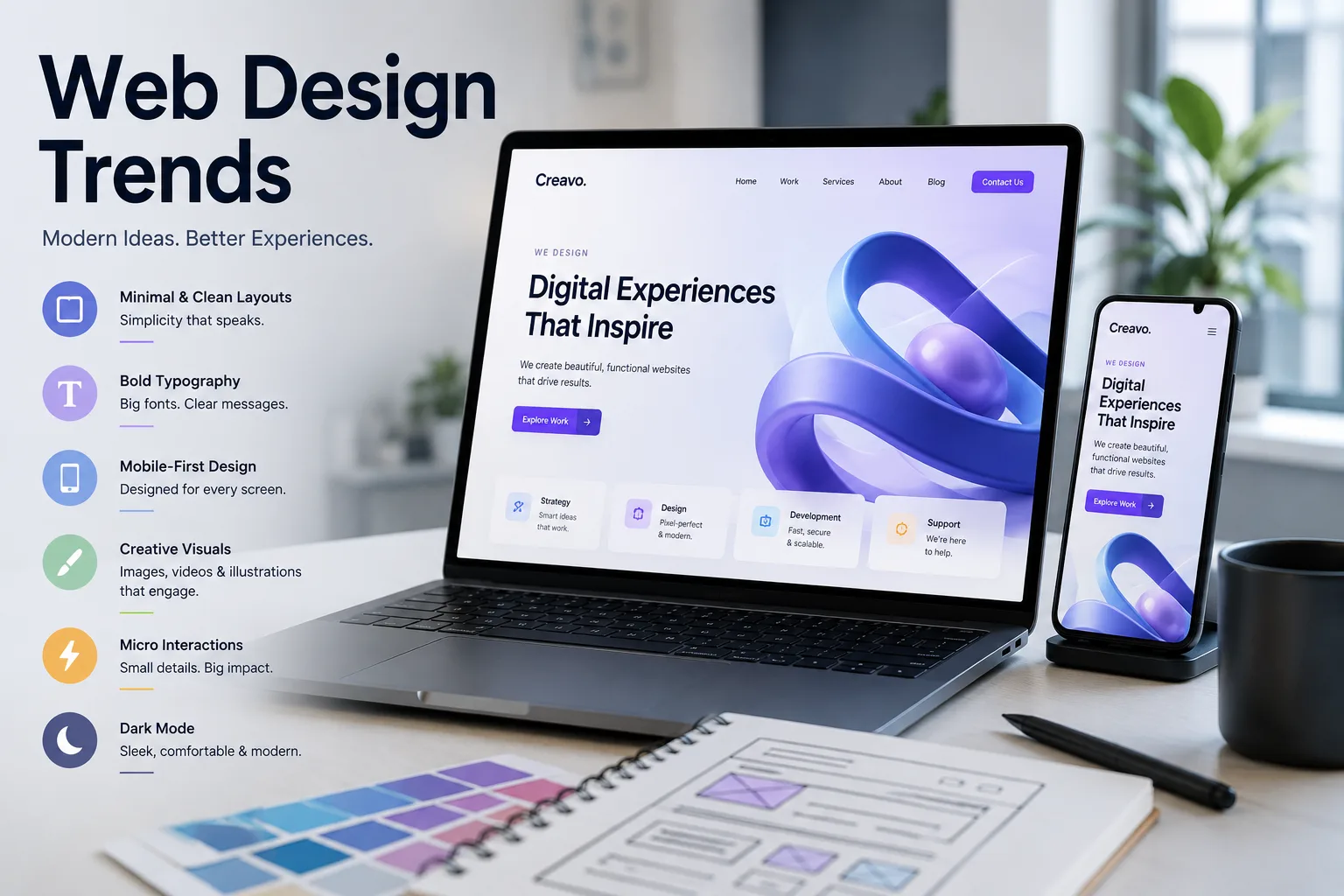
Web Design Trends 2026: What Your Website Needs to Convert
A converting website in 2026 loads fast, works mobile-first, stays accessible by default, and uses AI personalisation without adding friction. Visual polish matters far less than clear navigation, strong trust signals, and a user journey designed around a single next step.
Sahar
Content Writer
Your website is often the first impression customers have of your business. This guide explores Web Design Trends 2026: What Your Website Needs to Convert, helping you understand how modern design, user experience, page speed, and conversion-focused strategies can transform visitors into loyal customers while supporting long-term business growth.
Need this done right?
Hoop builds the strategy, design and development behind sites like this one — talk to us about yours.
Why Web Design Matters More Than Ever
A website is no longer just an online brochure. It is a powerful business tool that influences customer trust, search engine rankings, lead generation, and online sales. Even businesses offering excellent products or services can lose potential customers if their website feels outdated, slow, or difficult to use.
Today’s users expect fast-loading pages, intuitive navigation, mobile-friendly experiences, and visually appealing layouts. If your website fails to meet these expectations, visitors are likely to leave before exploring what your business has to offer.
Our web design services combine attractive visuals with functionality. Every design choice should help users find information quickly, complete actions effortlessly, and build confidence in your brand.
As customer expectations continue to evolve, businesses that invest in modern, conversion-focused web design gain a significant competitive advantage.
What Makes a High-Converting Website?
Many people assume that an attractive website automatically generates more enquiries or sales. In reality, successful websites are carefully designed around user behaviour and business objectives. A high-converting website encourages visitors to take meaningful actions, whether that means requesting a quote, making a purchase, booking a consultation, or contacting your team. Several factors contribute to better conversions:
- Clear navigation
- Fast loading speeds
- Mobile responsiveness
- Strong calls to action
- Simple page layouts
- Trust signals
- Accessible content
- Consistent branding
Rather than overwhelming visitors with unnecessary features, effective websites guide users naturally through every stage of their journey.
Mobile-First Design Continues to Lead
Mobile devices now account for the majority of website traffic, making mobile-first design one of the most important web design trends 2026. Businesses looking to deliver seamless experiences across both websites and apps often invest in mobile app development services alongside responsive web design.
Designing for smaller screens first ensures websites remain easy to navigate across smartphones, tablets, laptops, and desktop computers.
A mobile-first approach focuses on:
- Touch-friendly navigation
- Readable typography
- Optimised images
- Fast page loading
- Responsive layouts
- Clear call-to-action buttons
Responsive design also supports better search engine performance because search engines prioritise websites that provide excellent mobile experiences. Businesses that ignore mobile optimisation risk losing customers before meaningful engagement even begins.
Simplicity Creates Better User Experiences
Minimalist design continues to dominate modern websites because it improves usability and reduces distractions. Instead of filling pages with unnecessary animations, excessive text, or multiple competing messages, businesses are focusing on clean layouts that guide visitors towards clear actions. Simple designs improve:
- Readability
- Navigation
- Accessibility
- Website performance
- Customer engagement
- Conversion rates
Whitespace also plays an important role by making content easier to scan while drawing attention to important information and calls to action. A clean interface helps users feel more confident when interacting with your website and encourages them to continue exploring.
Personalised User Experiences Powered by AI
Artificial Intelligence is changing how businesses interact with website visitors. Rather than delivering the same experience to every user, AI enables websites to provide personalised content based on customer behaviour, preferences, and previous interactions. Businesses are increasingly using AI to improve:
- Product recommendations
- Content suggestions
- Customer support
- Search functionality
- Marketing campaigns
- Lead qualification
AI-powered chatbots can answer questions instantly, while intelligent recommendation engines present products or services that match each visitor’s interests. These personalised experiences increase customer engagement and create more opportunities for conversions without adding complexity to the user journey.
Faster Websites Win More Customers
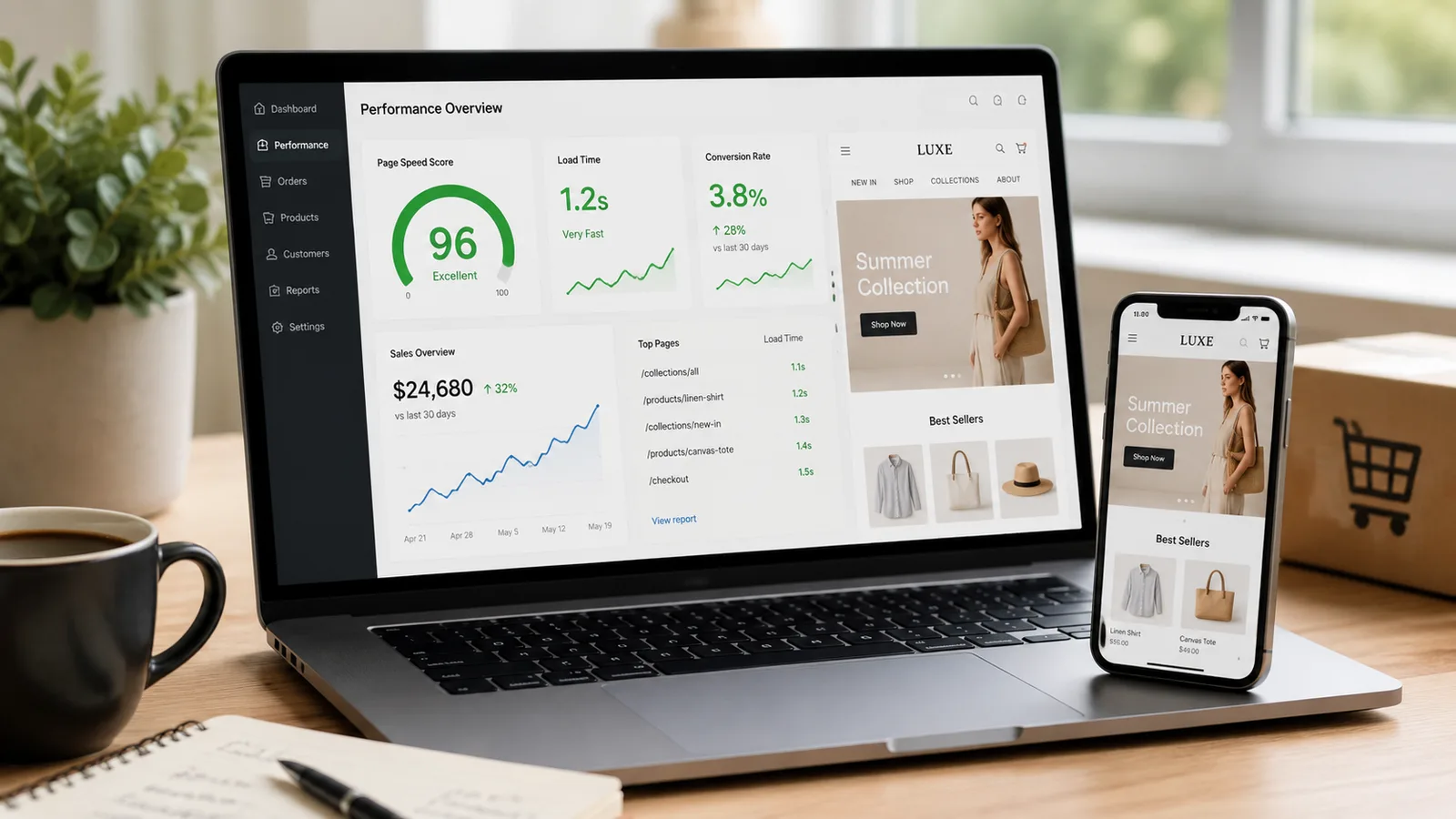
Website speed remains one of the strongest influences on both user experience and search engine optimisation. Visitors expect pages to load almost instantly. Even small delays can increase bounce rates, reduce engagement, and negatively affect conversions.
Improving website performance involves optimising every aspect of the user experience, including image sizes, server response times, code quality, and browser caching. Businesses should also monitor Core Web Vitals, which measure key aspects of website performance, including loading speed, visual stability, and responsiveness. A fast website provides several benefits:
- Better user experience
- Improved SEO performance
- Higher engagement
- Lower bounce rates
- Increased conversions
At Hoop Interactive, performance optimisation forms an essential part of every website project. We create websites that not only look professional but also deliver fast, reliable experiences that support business growth.
Conversion-Focused Navigation
Visitors should never have to search for important information. Clear navigation remains one of the most effective ways to improve user experience and increase conversions. Menus should be simple, organised, and easy to understand. Every page should help visitors move naturally towards their next step without creating confusion. Good navigation typically includes:
- Clear menu labels
- Logical page structure
- Easy-to-find contact information
- Prominent call-to-action buttons
- Simple search functionality
Businesses should regularly review website analytics to understand how users navigate their site and identify opportunities for improvement. An intuitive navigation system keeps visitors engaged, reduces frustration, and encourages them to complete valuable actions.
Accessibility Is No Longer Optional
Accessibility has become one of the most important website design trends in 2026. An accessible website ensures that everyone, including people with disabilities, can navigate and interact with your content without unnecessary barriers. Good accessibility improves the experience for all users, not just those with specific needs.
Clear typography, strong colour contrast, descriptive image text, keyboard-friendly navigation, and readable layouts make websites easier to use while also supporting better SEO and user engagement. Designing with accessibility in mind demonstrates professionalism, builds trust, and helps businesses reach a wider audience. It also prepares your website for evolving digital standards and user expectations.
Visual Hierarchy That Guides User Decisions
Visitors decide within seconds whether they want to stay on a website. A strong visual hierarchy helps direct their attention towards the most important content first. Rather than presenting everything with equal emphasis, effective websites use typography, spacing, colours, images, and layout to guide visitors naturally through each page.
Headlines should clearly communicate value, supporting text should answer key questions, and call-to-action buttons should remain visible without overwhelming the overall design. A well-structured layout reduces confusion and encourages visitors to continue exploring your products or services. When users always know where to look next, they are more likely to complete desired actions and convert into customers.
Building Trust Through Website Design
Trust is one of the biggest factors influencing online conversions. Even if visitors are interested in your products or services, they may leave your website if it appears outdated or unreliable. Modern websites establish credibility through professional branding, consistent design, secure browsing, and transparent business information.
Customer testimonials, case studies, client logos, industry certifications, and genuine reviews all reassure potential customers that they are dealing with a reputable business. Contact information should be easy to find, while calls to action should clearly explain what visitors can expect after submitting an enquiry or making a purchase.
Small design decisions often have a significant impact on customer confidence. At Hoop Interactive, we create websites that combine modern design with trust-building elements, helping businesses strengthen their online reputation while improving conversion rates.
The Rise of Interactive Web Design
Static websites are gradually giving way to more engaging digital experiences. Interactive design keeps visitors involved without distracting them from their goals.
Subtle animations, hover effects, scrolling transitions, progress indicators, interactive forms, and dynamic content all contribute to a smoother browsing experience. These elements make websites feel responsive and encourage users to continue interacting with different sections of a page.
However, moderation is essential. Excessive animations or unnecessary effects can slow down performance and create frustration. The best websites use interactive elements strategically to improve usability while maintaining fast loading speeds and excellent accessibility.
Custom Website Design vs Template Websites
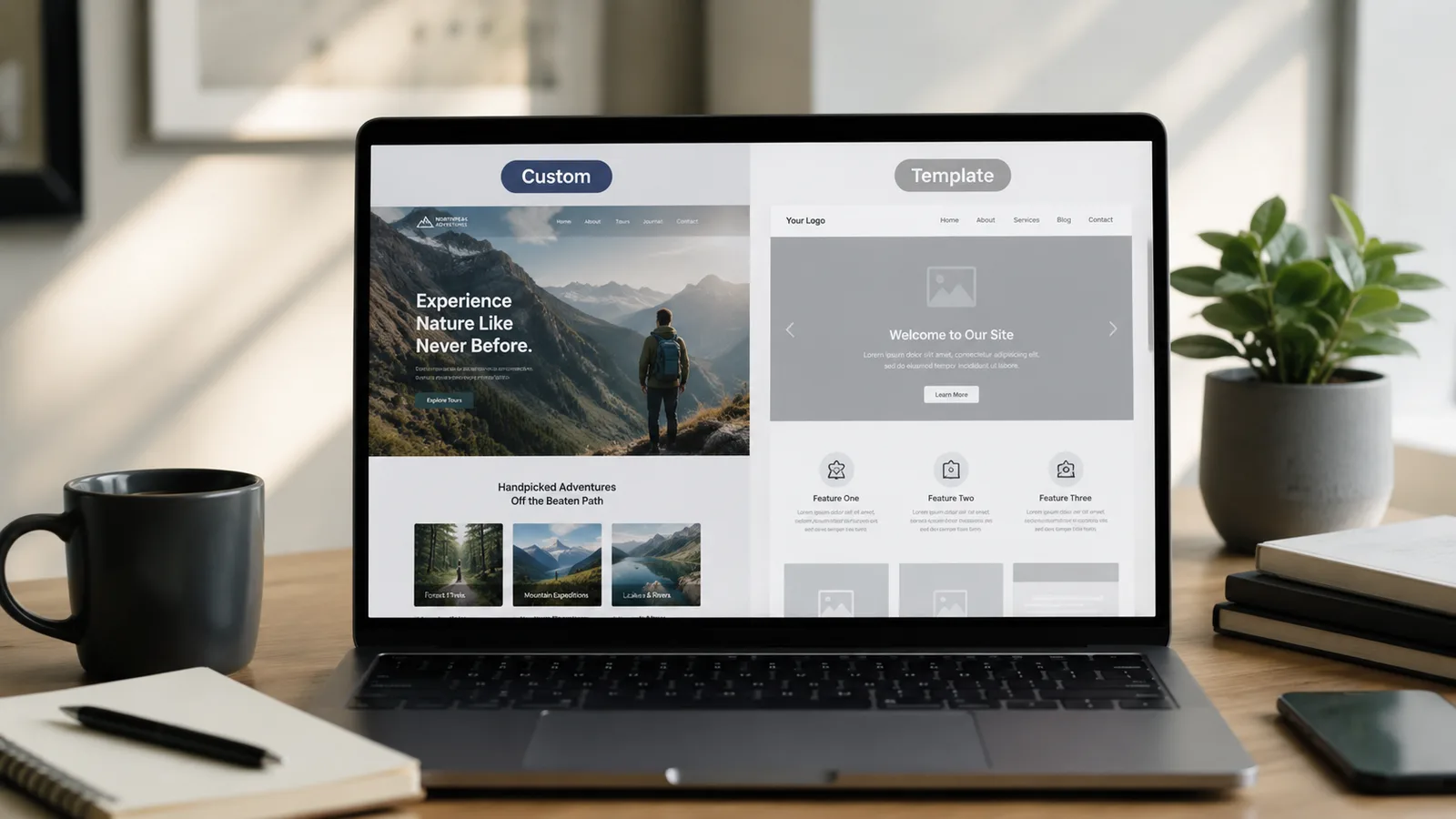
Many businesses begin with website templates because they provide an affordable and relatively quick way to establish an online presence. Templates work well for simple websites with standard functionality and limited customisation requirements.
As businesses grow, however, templates often become restrictive. Design limitations, slower performance, compatibility issues, and limited scalability can make it difficult to meet changing business needs.
Custom website design provides greater flexibility because every page, feature, and user journey is created specifically for your organisation. Businesses benefit from improved performance, stronger branding, enhanced SEO opportunities, and a website that supports long-term growth without relying on unnecessary third-party features. For organisations focused on digital growth, investing in a custom website often delivers greater value over time.
Core Web Vitals Continue to Shape Website Performance
Core Web Vitals are essential for both SEO and user experience. They measure page loading speed, visual stability, and responsiveness. Poor performance can increase bounce rates and reduce conversions. Optimising images, improving server response times, and using efficient code helps create faster, more reliable websites that rank better and deliver a smoother user experience.
Why Website Redesigns Matter in 2026
Many businesses continue using websites that were designed several years ago without realising how much customer expectations have changed. An outdated website can negatively affect credibility, search rankings, lead generation, and overall business performance.
Redesigning a website is not simply about updating colours or adding new images. It involves improving functionality, refining the user journey, strengthening SEO, enhancing performance, and ensuring the website supports current business objectives.
If your website loads slowly, performs poorly on mobile devices, has outdated branding, or struggles to generate enquiries, it may be time for a redesign. A well-planned redesign helps businesses remain competitive while providing visitors with the modern digital experience they expect in 2026.
| Task | Timing | Method | Difficulty |
|---|---|---|---|
| Improve page speed | 2–5 days | Optimisation | Medium |
| Mobile-first design | 1–2 weeks | Responsive design | Medium |
| Enhance SEO | 3–7 days | Technical SEO | Medium |
| Add trust signals | 1 day | Reviews & badges | Easy |
| Test website | 2–4 days | QA testing | Medium |
| Launch website | 1 day | Deployment | Easy |
Common Web Design Mistakes That Reduce Conversions
Even businesses with high-quality products or services can lose valuable customers because of poor website design. Small usability issues often have a significant impact on user behaviour and conversion rates.
One common mistake is cluttering pages with too much information. When visitors are presented with excessive text, multiple calls to action, or inconsistent layouts, they often struggle to find what they need. Simplicity and clarity usually deliver better results.
Another mistake is ignoring mobile users. A website that works well on a desktop but performs poorly on smartphones creates frustration and encourages visitors to leave before completing an enquiry or purchase.
Slow loading speeds also reduce conversions. Modern users expect websites to respond quickly, and even minor delays can negatively affect engagement and search engine performance.
Many businesses also overlook the importance of consistent branding. Colours, typography, imagery, and messaging should work together to create a professional and memorable experience across every page.
Finally, failing to update website content can reduce credibility. Outdated information, broken links, and old visuals give visitors the impression that a business is no longer active or reliable.
A Website Redesign Checklist
Before investing in a new website, businesses should evaluate whether their current site supports their objectives and meets modern user expectations. Consider the following questions:
- Does the website load quickly on all devices?
- Is the design fully responsive?
- Are calls to action clear and easy to find?
- Does the website reflect your current brand?
- Is navigation simple and intuitive?
- Are pages optimised for search engines?
- Does the website build trust with testimonials, reviews, and security features?
- Is the user journey designed to increase conversions?
If the answer to several of these questions is no, a redesign could significantly improve your website’s performance and help generate more enquiries or sales.
Why Businesses Choose Hoop Interactive
A successful website should do more than look attractive. It should support your marketing strategy, strengthen your brand, and encourage visitors to become customers.
At Hoop Interactive, we design and develop websites that combine modern aesthetics with measurable business results. Every project begins with understanding your goals, audience, and long-term vision before creating a solution tailored to your requirements.
Our approach focuses on responsive design, user experience, search engine optimisation, website performance, accessibility, and scalability. Rather than following short-lived design trends, we create websites that continue delivering value as your business grows.
Whether you need a completely new website or want to improve an existing one, our team develops digital experiences that help businesses stand out in increasingly competitive markets.
Conclusion
Keeping up with web design trends in 2026 is about much more than following the latest visual styles. A modern website should provide an outstanding user experience, load quickly, perform well across all devices, build trust, and guide visitors towards meaningful actions. By combining responsive design, accessibility, AI-powered personalisation, intuitive navigation, strong SEO foundations, and conversion-focused layouts, businesses can create websites that not only attract visitors but also turn them into loyal customers.
At Hoop Interactive, we help businesses build websites that balance creativity with performance. Our team combines strategic thinking, modern web design, and technical expertise to create digital experiences that support long-term growth and measurable results.
Contact Hoop Interactive today to create a future-ready website that delivers more traffic, stronger engagement, and higher conversions in 2026 and beyond.
“Rather than following short-lived design trends, build a website that keeps delivering value as your business grows.”
Key takeaways
- 01Design for the smallest screen first — mobile now carries the majority of traffic and search weight.
- 02Core Web Vitals shape both rankings and conversions; even small delays raise bounce rates.
- 03Accessibility is no longer optional, and the work that enables it also improves SEO for everyone.
- 04Templates suit simple sites; custom design removes the ceilings on performance, branding, and scale.
Written by
Sahar
Content Writer
Frequently Asked
Questions
Everything you need to know before booking a strategy call. Can't find your answer? Contact us directly.
Web design trends reflect changing user expectations and technological advancements. Following modern design practices helps businesses improve user experience, strengthen credibility, increase engagement, and generate more conversions.
A well-designed website makes it easier for visitors to navigate, understand your services, and complete desired actions. Faster loading speeds, intuitive layouts, clear calls to action, and trust-building elements all contribute to higher conversion rates.
Mobile-first design means creating a website for smartphones before adapting it for larger screens. This approach improves usability across all devices and supports better search engine rankings.
Core Web Vitals measure loading speed, responsiveness, and visual stability. Strong performance improves user satisfaction, supports SEO, and increases the likelihood of visitors remaining on your website.
Template websites are suitable for businesses with basic requirements and smaller budgets. A custom website offers greater flexibility, stronger branding, better performance, and improved scalability, making it a better long-term investment for growing businesses.
There is no fixed timeline, but businesses should regularly review website performance, branding, and user experience. If your website looks outdated, performs poorly, or no longer supports your business goals, a redesign is worth considering.
Keep reading
All articles →
Website Design in 2025: Modern UX/UI and Conversion-Focused Design
Aug 6, 2026 · 7 min read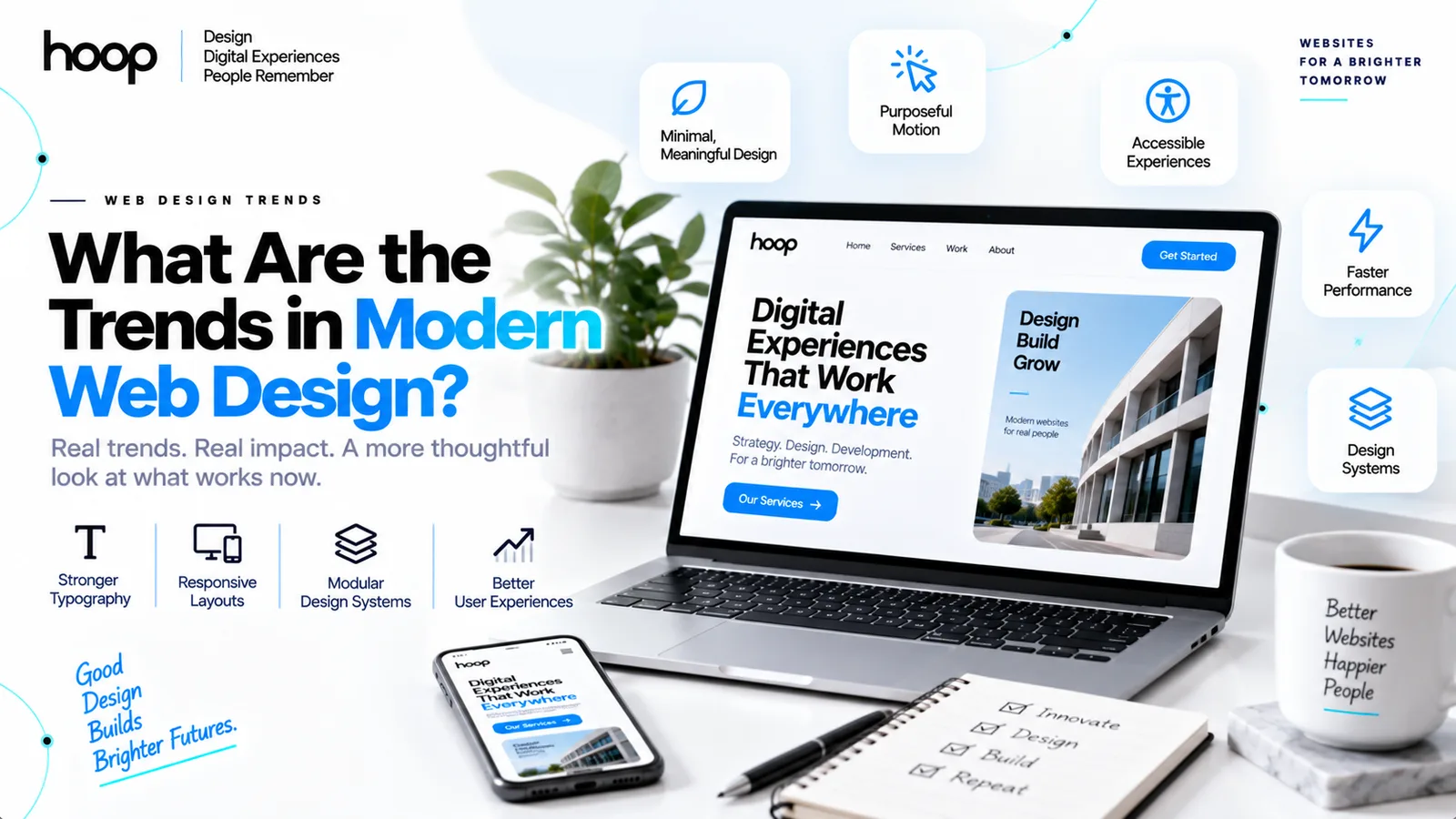
What Are the Trends in Modern Web Design? What Works Now
Sep 3, 2026 · 10 min read