
How Much Does It Cost to Build a Mobile App in 2026?
Mobile app cost in 2026 depends on complexity, features, platform, and team. This guide breaks down pricing trends, cost factors, and budgeting strategies so you can plan with confidence.
Sahar
Content Writer
Building a mobile app is a major investment, but knowing how much it costs to build a mobile app in 2026 helps you plan your budget with confidence. This guide explains the latest pricing trends, cost factors, development stages, and smart budgeting strategies so you can make informed decisions before starting your project.
Need this done right?
Hoop builds the strategy, design and development behind sites like this one — talk to us about yours.
What Determines the Mobile App Development Cost in 2026?
The price of developing a mobile application is no longer based on coding alone. In 2026, businesses expect apps to deliver outstanding user experiences, strong security, fast performance, and the flexibility to grow as demand increases. Every decision made during development influences the final budget.
Whether you are launching a startup, expanding an existing business, or creating an enterprise solution, understanding the factors behind Mobile App Development Services helps you avoid unexpected expenses and choose the right development approach.
A modern mobile application involves much more than attractive screens. Behind every successful app is a complete ecosystem that includes user interface design, backend development, cloud infrastructure, databases, APIs, testing, security, deployment, and ongoing maintenance. Each of these elements contributes to the overall app development cost 2026.
The biggest advantage of understanding these costs early is that it allows businesses to prioritise features, manage resources effectively, and invest where it matters most. Instead of treating app development as a one-time expense, successful companies view it as a long-term investment that supports growth, customer engagement, and digital transformation.
Why Mobile App Development Costs Are Changing in 2026
Technology is evolving rapidly, and user expectations continue to rise. Customers now expect personalised experiences, fast performance, secure payments, real-time updates, and seamless functionality across multiple devices.
As a result, the cost to build a mobile app has changed. Features such as Artificial Intelligence, cloud computing, advanced security, and real-time capabilities have become increasingly common, adding to development complexity and costs.
Businesses also expect faster delivery without compromising quality, leading development teams to adopt agile methodologies, automated testing, and DevOps practices. Because every app has different goals, features, and technical requirements, there is no fixed cost for building a mobile app in 2026.
Average Mobile App Development Cost in 2026
One of the most common questions businesses ask is how much they should budget before starting development. While every project is different, understanding typical pricing ranges helps set realistic expectations.
Simple apps with basic features generally cost less than enterprise applications with advanced integrations and custom functionality. The overall investment depends on factors such as features, backend infrastructure, security, integrations, and scalability.
As app complexity increases from basic functionality to payment systems, real-time features, and AI-powered capabilities development requires more time, expertise, and resources, resulting in higher costs. Understanding where your project fits within this spectrum helps you plan your budget more effectively.
The Biggest Factors That Influence App Development Pricing
No two applications are built in exactly the same way. Several important factors directly affect app development pricing, making some projects significantly more expensive than others.
The first and perhaps most important factor is feature complexity. Every new feature requires planning, design, development, testing, and maintenance. A simple login screen requires much less effort than implementing facial recognition, real-time messaging, or AI-powered recommendations.
Professional UI/UX Design Services play a significant role. Businesses increasingly recognise that excellent user experience leads to higher customer satisfaction and better retention. Professional UI and UX design involves research, wireframes, prototypes, usability testing, and visual refinement before development begins.
Platform selection is another major cost consideration. Businesses must decide whether to build for iOS, Android, or both. Native applications provide outstanding performance but often require separate development teams. Cross-platform frameworks such as Flutter and React Native can reduce development time while maintaining high-quality performance for many business applications.
Backend infrastructure adds another layer of complexity. Applications that store customer data, process payments, or synchronise information across devices require secure databases, cloud hosting, APIs, authentication systems, and administrative dashboards.
Third-party integrations also increase development requirements. Many businesses connect their applications with payment gateways, customer relationship management platforms, analytics tools, cloud storage services, communication systems, and marketing automation software.
Finally, ongoing maintenance must always be considered. Every application requires updates, performance improvements, bug fixes, security patches, operating system compatibility updates, and feature enhancements after launch. Ignoring these ongoing costs often leads to inaccurate budgeting.
Choosing Between Native and Cross-Platform Development
One of the earliest decisions businesses face is whether to build a native application or opt for a cross-platform solution. This choice has a significant impact on development costs, project timelines, user experience, and long-term scalability.
Native applications are built specifically for either iOS or Android using platform-specific technologies. They offer excellent performance, seamless user experiences, enhanced security, and full access to device features. However, developing separate apps for each platform requires more time, larger development teams, and a higher overall investment.
Cross-platform development allows developers to build a single codebase that works across multiple operating systems. Modern frameworks such as Flutter and React Native enable businesses to launch high-quality applications more quickly while reducing development time and costs. This approach is particularly beneficial for startups and growing businesses looking to validate their ideas and reach users on both platforms efficiently.
At Hoop Interactive, we help businesses evaluate whether native or cross-platform development best suits their goals. Our team considers factors such as your target audience, required features, scalability, performance expectations, and budget before recommending the most effective solution. Rather than taking a one-size-fits-all approach, we develop a strategy that aligns with your business objectives and supports long-term growth.
Mobile App Development Cost by App Complexity
One of the easiest ways to estimate how much it costs to build a mobile app in 2026 is by understanding your app's complexity. Every additional feature, integration, and workflow increases the time, expertise, and resources required to complete the project.
Rather than focusing only on the initial budget, businesses should consider the overall value each feature brings. Investing in the right functionality from the beginning often reduces redevelopment costs later.
Simple Mobile Applications
Simple apps are ideal for startups, local businesses, and organisations launching their first digital product. These applications focus on solving one specific problem without requiring advanced backend systems or complex integrations.
A simple application may include:
- User registration and login
- Basic user profiles
- Content display
- Contact forms
- Push notifications
- Simple admin panel
Because these apps require fewer development hours, they usually represent the most affordable option. They also allow businesses to validate ideas before investing in additional features.
Medium-Complexity Applications
As businesses grow, they often need applications with greater functionality and better customer experiences. Medium-complexity apps require stronger architecture and more development time.
Common features include:
- Payment gateway integration
- GPS and location tracking
- Booking or appointment systems
- Real-time notifications
- In-app messaging
- Social media login
- Analytics dashboards
- Cloud database integration
These applications require collaboration between designers, developers, QA engineers, and project managers, making the app development cost 2026 considerably higher than basic applications.
Enterprise and Advanced Applications
Enterprise applications are designed for organisations that manage large amounts of data, complex workflows, and thousands of users.
These projects often include Artificial Intelligence, machine learning, advanced security, cloud infrastructure, custom APIs, automation, and enterprise resource planning integrations.
Although these applications require the highest investment, they also provide greater operational efficiency, automation, and long-term scalability.
Key Features That Affect Mobile App Development Cost
Features are one of the biggest factors influencing mobile app development cost. Every function requires planning, design, coding, testing, and ongoing maintenance.
Some features are relatively simple to implement, while others require specialised developers and advanced technologies.
User Authentication
Modern users expect secure and convenient login options. Businesses commonly integrate:
- Email registration
- Mobile number verification
- Social login
- Multi-factor authentication
- Biometric login using fingerprint or facial recognition
Stronger authentication improves security but also increases development complexity.
Payment Gateway Integration
E-commerce, healthcare, education, and subscription-based businesses often require secure payment systems.
Integrating services such as Stripe, PayPal, or local payment gateways involves additional development work, security testing, and compliance with payment regulations.
Businesses should never compromise security when handling customer payments.
Real-Time Communication
Many modern applications include live chat, instant messaging, or customer support.
Real-time communication requires dedicated servers, cloud infrastructure, APIs, and database synchronisation. Although these features improve user engagement, they also increase overall app development pricing.
Artificial Intelligence Features
Artificial Intelligence has become one of the defining trends in app development.
Businesses increasingly integrate AI for:
- Smart recommendations
- AI chatbots
- Image recognition
- Predictive analytics
- Voice assistants
- Personalised user experiences
AI-powered functionality creates significant business value but requires specialised expertise, additional testing, and cloud resources.
How the Development Team Impacts Your Budget
The people building your application play a major role in determining the cost to build a mobile app. A successful project depends on more than just software developers.
An experienced team typically includes professionals with different responsibilities, each contributing to the final product.
UI and UX Designers
Designers focus on creating intuitive, attractive, and user-friendly experiences.
Their responsibilities include:
- User research
- Wireframing
- Interactive prototypes
- Interface design
- Usability testing
A well-designed application improves customer satisfaction and encourages long-term engagement.
Mobile App Developers
Developers transform designs into fully functional applications.
Depending on the project, businesses may require specialists in:
- iOS development
- Android development
- Flutter
- React Native
- Backend development
- API integration
Highly experienced developers generally charge higher rates, but they often produce better-quality software with fewer issues after launch.
Quality Assurance Engineers
Testing is often underestimated during budgeting.
QA engineers ensure that every feature performs correctly across different devices, screen sizes, and operating systems.
Without proper testing, businesses may face expensive bug fixes after release.
Project Managers and Business Analysts
Successful software development requires clear communication and careful planning.
Project managers coordinate timelines, monitor progress, manage risks, and ensure that development stays aligned with business objectives.
Business analysts help translate company goals into technical requirements, reducing misunderstandings and preventing costly changes later.
Native vs Cross-Platform Development Costs
Choosing between native and cross-platform development is one of the biggest financial decisions businesses make.
Native applications are built separately for iOS and Android. While they provide exceptional performance and complete access to device capabilities, they require separate codebases, increasing development time and costs.
Cross-platform frameworks such as Flutter and React Native allow developers to build one application that works across multiple operating systems.
For many startups and small businesses, this approach offers several advantages:
- Faster development
- Lower development costs
- Easier maintenance
- Consistent user experience
- Faster product launch
However, businesses developing high-performance gaming applications or highly specialised enterprise software may still prefer native development to maximise performance and hardware integration.
The right choice depends on your business goals, expected growth, target audience, and available budget rather than simply choosing the cheapest option.
Hidden Costs Businesses Often Overlook
When estimating how much it costs to build a mobile app in 2026, many businesses focus only on design and development. However, the initial build is only one part of the total investment. Several ongoing expenses can affect your budget after the app goes live.
Planning for these costs from the beginning helps prevent financial surprises and ensures your application continues to perform well as your business grows.
App Maintenance and Updates
A mobile application is never truly finished. Regular maintenance keeps it secure, stable, and compatible with the latest operating system updates.
Ongoing maintenance typically includes:
- Bug fixes
- Performance improvements
- Security patches
- Feature enhancements
- Compatibility updates for new Android and iOS versions
Many businesses allocate an annual maintenance budget to ensure their application remains reliable and competitive.
Cloud Hosting and Infrastructure
Most modern applications rely on cloud services to store data, process requests, and support users across different locations.
As your user base grows, cloud infrastructure requirements also increase. Businesses should consider expenses related to storage, servers, backups, monitoring, and database management when calculating mobile app development cost.
Third-Party Services
Many applications depend on external platforms to deliver advanced functionality. While these services save development time, they often come with subscription or usage fees.
Common examples include:
- Payment gateways
- SMS verification
- Email automation
- Maps and location services
- Video streaming
- Analytics platforms
- Customer support tools
These recurring costs should be included in your long-term budget.
How to Reduce Mobile App Development Costs Without Sacrificing Quality
Reducing costs does not mean reducing quality. Smart planning allows businesses to launch successful applications while making the most of their investment.
The first step is defining clear business objectives. Many projects become expensive because unnecessary features are added during development. Focusing on essential functionality helps control the app development cost 2026 and speeds up the launch process.
Developing a Minimum Viable Product (MVP) is another effective strategy. Instead of building every feature at once, businesses launch with core functionality, gather user feedback, and improve the application over time.
Choosing the right technology stack also plays an important role. Cross-platform frameworks such as Flutter or React Native can reduce development time for many business applications while maintaining excellent performance.
Working with an experienced development partner is equally important. A skilled team identifies potential risks early, recommends efficient solutions, and builds scalable software that supports future growth. Although experienced professionals may charge higher hourly rates, they often save businesses money by reducing delays, technical debt, and post-launch issues.
Mobile App Development Trends Influencing Costs in 2026
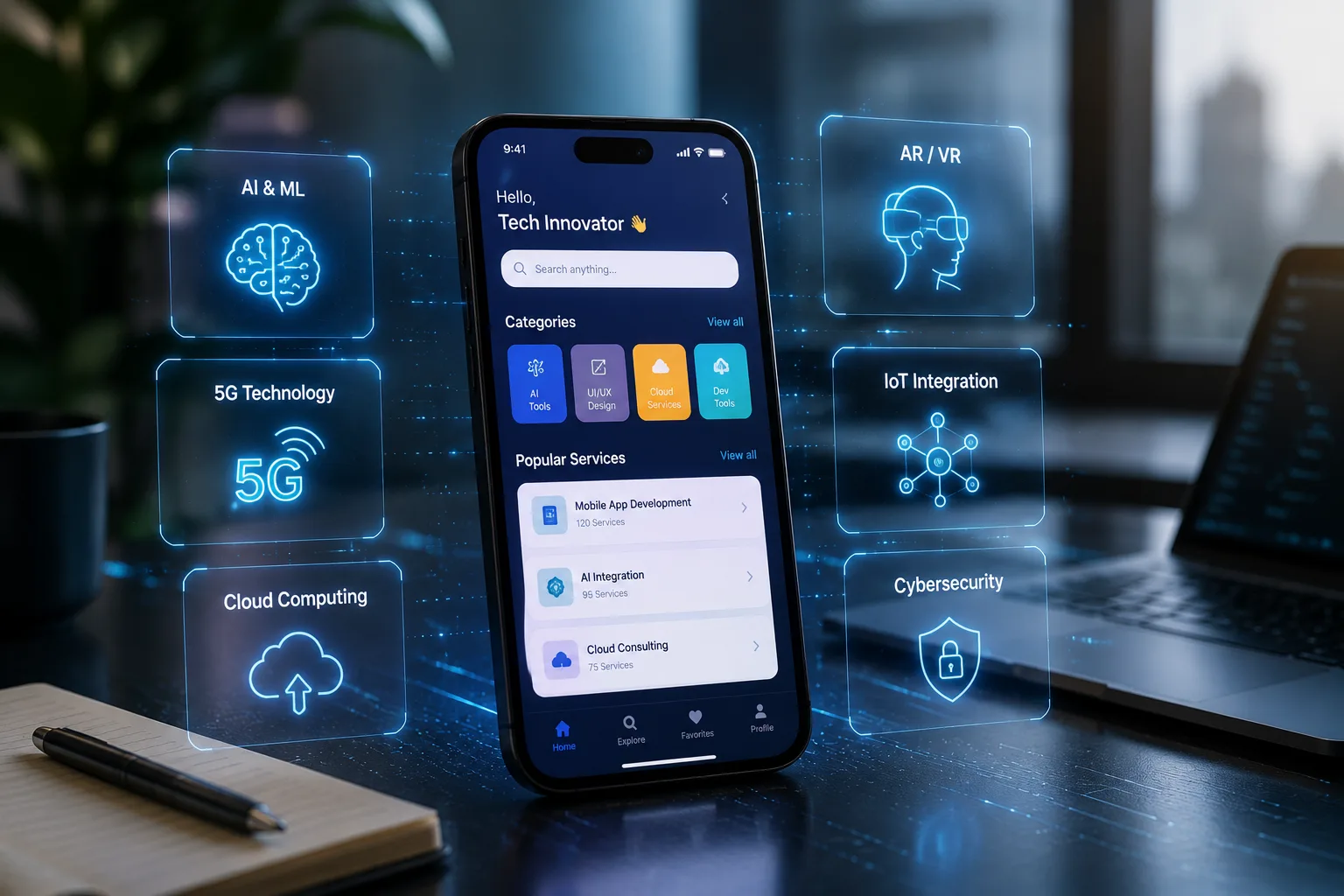
Technology continues to reshape the software industry, and these innovations directly influence the cost to build a mobile app.
Artificial Intelligence is becoming a standard feature rather than a luxury. Businesses now integrate intelligent search, personalised recommendations, AI chatbots, and predictive analytics to improve customer experiences and streamline operations.
Cloud-native development is another growing trend. Instead of relying on traditional hosting environments, organisations are building scalable applications that automatically adapt to changing user demand. While cloud architecture may increase initial planning requirements, it provides greater flexibility and long-term efficiency.
Cybersecurity also receives greater attention than ever before. Users expect their personal information to remain protected, making secure authentication, encrypted communication, and data protection essential components of every modern application.
Businesses are also investing in automation throughout the development lifecycle. Automated testing, continuous integration, and DevOps practices help teams deliver updates more efficiently while maintaining software quality.
These trends demonstrate that investing in modern technologies is about creating long-term business value rather than simply increasing development costs.
“Knowing how much it costs to build a mobile app in 2026 helps you plan your budget with confidence.”
Key takeaways
- 01App cost is driven by complexity, features, platform, and team
- 02Know the development stages before you budget
- 03Cross-platform can cut costs versus separate native builds
- 04Plan for post-launch maintenance, not just the build
Written by
Sahar
Content Writer
Frequently Asked
Questions
Everything you need to know before booking a strategy call. Can't find your answer? Contact us directly.
The answer depends on factors such as app complexity, features, platform, design requirements, integrations, and the experience of the development team. A simple application costs significantly less than a feature-rich enterprise solution.
Feature complexity has the greatest impact. Advanced functionality such as Artificial Intelligence, payment gateways, real-time messaging, cloud infrastructure, and custom APIs requires additional development time and specialised expertise.
In many cases, yes. Cross-platform development allows developers to maintain a single codebase for multiple operating systems, reducing development time and ongoing maintenance costs. However, native development may still be the better choice for applications requiring maximum performance or hardware-specific functionality.
The timeline depends on the project's complexity. Basic applications may take a few months, while advanced enterprise platforms often require significantly longer due to design, development, testing, integrations, and deployment.
Yes. Launching a Minimum Viable Product allows startups to validate their idea, attract early users, gather valuable feedback, and reduce initial development costs before investing in advanced functionality. Conclusion Understanding how much it costs to build a mobile app in 2026 is about more than calculating a single number. Every decision, from selecting the development approach and technology stack to prioritising features and planning for maintenance, shapes the total investment. A successful mobile application balances quality, scalability, security, and user experience while supporting your long-term business objectives. Careful planning and choosing the right development strategy can help you maximise your return on investment and avoid unnecessary expenses. If you're ready to turn your app idea into a high-performing digital product, Hoop Interactive can help. Our experienced team specialises in custom mobile app development, scalable software solutions, and user-focused digital experiences tailored to your business goals. Contact Hoop Interactive today to discuss your project and receive a development strategy that delivers lasting value.
Keep reading
All articles →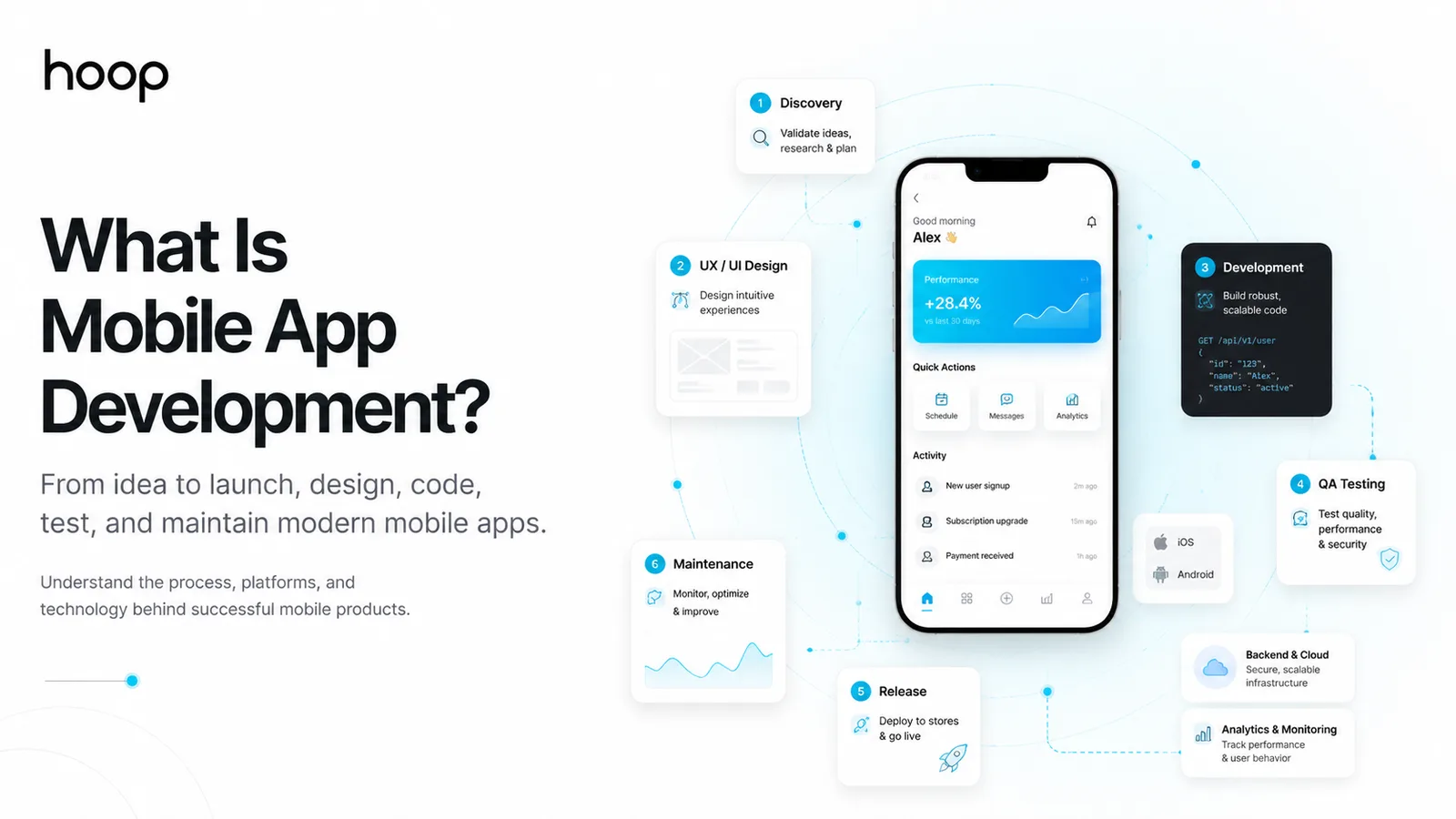
What Is Mobile App Development? Complete 2026 Business Guide
Aug 27, 2026 · 10 min read
Mobile App Development Costs in 2025: A Complete Guide for Businesses
Aug 3, 2026 · 7 min read