Best Contractor Websites: What Makes Them Convert
High-converting contractor websites focus on the customer, not the company: fast pages, one page per service, visible proof of work, and a clear next step on every screen. Design alone does not book jobs — visibility, trust, and an obvious path to a quote do.
Sahar
Content Writer
Looking for the best contractor websites and what makes them convert? This guide explores the features, design strategies, and SEO techniques that help contractor websites generate more leads. Learn what separates high-performing websites from average ones and discover how to build a contractor website that turns visitors into paying customers.
Why Most Contractor Websites Fail to Generate Leads
Many contractors invest in a website expecting it to bring in a steady stream of leads. Unfortunately, simply having a website is no longer enough. Today’s customers expect a fast, professional, and trustworthy online experience before they decide to request a quote or schedule a consultation.
When homeowners or business owners search for contractors, they usually compare several companies before making a decision. They look at project photos, online reviews, certifications, service areas, and the overall quality of each website. If your website appears outdated, loads slowly, or makes it difficult to contact your business, potential customers will likely leave and choose a competitor.
A successful contractor website does more than look attractive. It clearly communicates your services, builds credibility, answers common questions, and guides visitors toward taking action. Every page should help users move closer to requesting an estimate or contacting your team.
The best contractor websites combine excellent design with strong SEO, fast performance, mobile responsiveness, and clear calls to action. These elements work together to improve search rankings while increasing conversion rates.
What Makes the Best Contractor Websites Convert?
High-converting contractor websites focus on the customer rather than the company. Instead of overwhelming visitors with unnecessary information, they make it easy to understand the services offered and the next steps.
The most successful websites load quickly, display perfectly on every device, and provide a smooth browsing experience. Visitors can easily find contact information, request an estimate, or explore completed projects without searching through multiple pages.
Trust also plays a major role. Displaying customer testimonials, industry certifications, warranties, licenses, insurance information, and years of experience helps reassure visitors that they are choosing a reliable contractor.
Strong calls to action appear throughout the website instead of only on the contact page. Whether someone wants a free estimate, emergency service, or additional information, every page should encourage them to take the next step.
Search engine optimization is equally important. Even the best-designed website cannot generate leads if customers never find it. Optimized service pages, location pages, internal linking, and valuable content all contribute to better visibility in Google Search.
Five Features Every High-Converting Contractor Website Shares
Instead of copying another company’s design, learn from the strategies that successful contractor websites use. The following features consistently improve user experience, increase trust, and generate more qualified leads.
1. A clean and professional homepage
The homepage creates the first impression. High-performing contractor websites immediately explain who they are, what services they provide, and which locations they serve.
Visitors should never have to guess whether your company is the right choice. A strong headline, supporting text, and a prominent call-to-action button help guide users toward requesting a quote or scheduling a consultation.
Professional branding, high-quality imagery, and a simple layout make the homepage more engaging while reinforcing credibility.
2. Service pages that answer customer questions
One of the biggest differences between average and high-performing contractor websites is the quality of their service pages. Instead of listing every service on a single page, successful websites create dedicated pages for each service they offer.
For example, a construction company may have separate pages for home remodeling, kitchen renovations, bathroom remodeling, room additions, roofing, flooring, and commercial construction.
Each page explains the service, outlines the process, highlights benefits, answers common questions, and includes a strong call to action. This approach improves SEO while helping visitors quickly find the information they need.
3. Strong project galleries
Customers want proof that a contractor delivers quality work. Project galleries featuring before-and-after photos, completed renovations, roofing installations, HVAC projects, or commercial construction help demonstrate experience far better than written descriptions alone.
Adding short project summaries alongside each gallery further builds trust by explaining the client’s challenge, the solution provided, and the final result. Professional photography also reinforces your company’s attention to detail.
4. Customer reviews that build trust
Reviews remain one of the strongest conversion factors on any contractor website. Instead of placing testimonials on a single page, successful websites include customer reviews throughout the site.
Displaying Google reviews, client testimonials, star ratings, and short success stories near service pages increases confidence at the exact moment visitors are making a decision. Authentic reviews provide social proof that encourages potential customers to contact your business.
5. Clear calls to action
Many contractor websites lose potential leads because visitors are unsure what to do next. The best contractor websites remove this confusion by placing clear calls to action across every page.
Buttons such as “Request a Free Estimate,” “Schedule a Consultation,” “Call Now,” or “Get Your Free Quote” should remain visible throughout the website. Making it easy for customers to contact your business significantly improves conversion rates.
Build a Website That Reflects Your Brand
A contractor’s website should communicate professionalism from the moment someone lands on the homepage. Consistent branding creates a memorable experience while helping customers recognize your business across different marketing channels.
Your logo, colors, typography, and messaging should remain consistent throughout the website. Rather than using generic stock photography, feature real images of your completed projects, employees, equipment, and job sites whenever possible.
Showing the people behind your business helps create a personal connection while increasing trust. Professional branding also extends to your messaging. Speak directly to customer needs instead of focusing only on company achievements. Explain how your services solve problems and improve homes or commercial properties.
Local SEO Helps Contractor Websites Get Found
Even the best contractor websites cannot generate leads without visibility. Most contractors depend on customers within specific cities or service areas, making local SEO one of the most important parts of a successful website strategy.
Local SEO helps your website appear when customers search for services such as:
- General contractor near me
- Kitchen remodeling contractor
- Roofing contractor
- HVAC contractor
- Bathroom renovation company
- Home remodeling services
Creating optimized location pages, maintaining a complete Google Business Profile, earning positive reviews, and using local keywords naturally throughout your content all improve your chances of appearing in local search results.
Internal links between service pages, location pages, blogs, and contact pages also help search engines better understand your website structure while improving user navigation.
Optimize Every Page for Mobile Users
Most homeowners now search for contractors on smartphones before switching to a desktop computer or making a phone call. A mobile-friendly website is no longer optional.
Responsive design ensures your website automatically adjusts to different screen sizes while maintaining a smooth user experience. Large buttons, readable text, click-to-call functionality, simple navigation, and fast-loading pages all improve mobile usability.
Since Google uses mobile-first indexing, mobile optimization also plays an important role in improving search rankings. A contractor website that performs well on mobile devices creates a better customer experience while increasing the likelihood of generating qualified leads.
Create Landing Pages That Convert More Visitors
A homepage introduces your business, but dedicated landing pages are designed to convert visitors into leads. The best contractor websites create individual landing pages for each service and location rather than sending every visitor to the homepage.
For example, a roofing contractor can have separate pages for roof repairs, roof replacements, emergency roofing services, and commercial roofing. Likewise, a general contractor can build pages for kitchen renovations, bathroom remodels, home extensions, and new construction projects.
Each landing page should focus on one service, answer common customer questions, explain the benefits of choosing your company, and end with a clear call to action. This focused approach helps improve both search engine rankings and conversion rates because visitors immediately find the information they need.
Including customer testimonials, project photos, trust badges, and an easy-to-complete contact form makes these pages even more effective. Rather than overwhelming visitors with too much information, successful landing pages guide them naturally toward requesting a quote.
Website Speed Can Make or Break Conversions
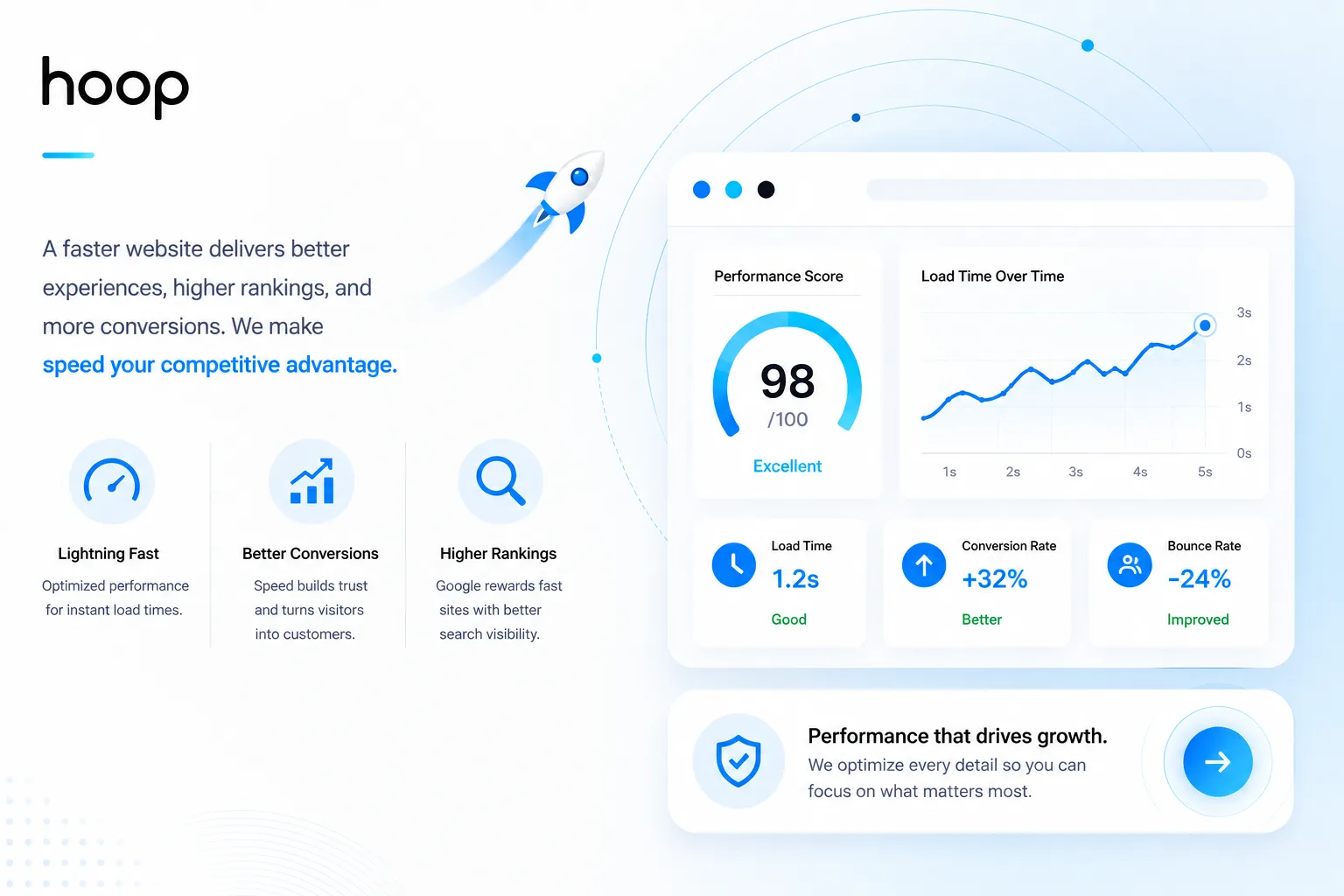
Website speed is one of the most overlooked factors in contractor marketing. Visitors expect websites to load almost instantly, and many will leave if pages take too long to display.
A fast-loading website improves user experience while supporting stronger SEO performance. Search engines reward websites that provide a better browsing experience, making speed an important ranking factor.
Several elements contribute to website performance. Optimized images, reliable hosting, clean website code, browser caching, and content delivery networks all help reduce loading times.
Speed also affects trust. A slow website often feels outdated or unreliable, while a fast website creates a smoother, more professional experience. Every second saved during loading increases the chances that visitors will continue exploring your services instead of leaving for a competitor.
Trust Signals That Increase Conversion Rates
People rarely hire a contractor after seeing a website for only a few seconds. They need confidence that your company is experienced, reliable, and capable of delivering quality work. That confidence comes from trust signals placed throughout your website.
Customer reviews remain one of the strongest trust builders because they provide independent proof that your company delivers excellent results. Displaying recent testimonials alongside relevant services helps reinforce your credibility at important decision-making moments.
Professional certifications, industry memberships, manufacturer partnerships, and awards also reassure visitors that your company meets recognised standards. If your business is licensed and insured, make this information easy to find.
Guarantees and warranties further reduce customer hesitation. Homeowners appreciate knowing that your work is backed by clear commitments to quality and customer satisfaction.
Case studies provide another powerful trust signal. Instead of simply showing finished projects, explain the customer’s problem, the solution your team delivered, and the final outcome. This storytelling approach helps potential clients imagine achieving similar results.
The Power of Before-and-After Projects
One feature shared by many of the best contractor websites is a strong project portfolio. Before-and-after galleries instantly demonstrate the value of your work. Rather than relying only on written descriptions, these visual comparisons allow visitors to see the quality of your craftsmanship.
Each project should include a short explanation of the client’s objectives, the challenges involved, and how your team completed the work successfully. This additional context makes your portfolio more engaging while helping potential customers understand your expertise.
Where appropriate, include projects from different service categories to show the full range of your capabilities. A varied portfolio also helps build confidence among homeowners looking for specific services.
Regularly updating your gallery with new projects keeps your website fresh and gives search engines additional content to index.
Content Marketing Helps Contractor Websites Rank Higher
A contractor website should do more than describe services. It should also educate potential customers.
Publishing useful blog articles allows you to answer common questions while targeting valuable search terms. Informative content positions your business as a trusted expert and helps attract visitors who are still researching before choosing a contractor.
Topics such as renovation timelines, maintenance tips, cost guides, seasonal preparation, material comparisons, and project planning often perform well because they address real customer concerns.
Content marketing also supports your SEO strategy by expanding your keyword coverage and creating opportunities for internal linking. Every helpful article strengthens your website’s authority while guiding readers toward your service pages.
Instead of publishing content simply to increase website traffic, focus on solving customer problems. Useful information builds trust long before someone requests an estimate.
How AI Is Changing Contractor Websites in 2026
Artificial intelligence is becoming an increasingly valuable tool for contractors looking to improve their online presence. While AI cannot replace a thoughtful marketing strategy, it can streamline many tasks and improve efficiency.
AI-powered tools can help generate content ideas, analyse user behaviour, identify technical SEO issues, and personalise website experiences. Chatbots can answer common questions, schedule appointments, and direct visitors to the right services, providing immediate assistance even outside normal business hours.
Predictive analytics also allows businesses to better understand customer behaviour. By analysing website activity, contractors can identify which pages attract the most attention and where visitors tend to leave the site. These insights help improve website performance over time.
However, authenticity remains essential. Customers still prefer genuine project photos, honest testimonials, and helpful advice from real professionals. The most successful contractor websites combine AI-powered efficiency with human expertise and personalised customer service.
How to Measure the Success of Your Contractor Website
Building a professional website is only the beginning. To generate consistent leads, you need to understand how visitors interact with your website and identify opportunities for improvement.
One of the most important metrics is your conversion rate. This measures how many visitors complete a desired action, such as requesting a quote, booking a consultation, or calling your business. Even small improvements in conversion rate can lead to significant business growth.
Organic traffic is another valuable indicator. An increase in visitors from search engines shows that your SEO strategy is working and your website is becoming more visible for relevant contractor searches.
Pay attention to user behaviour as well. Metrics such as bounce rate, average engagement time, and pages viewed per session reveal how visitors interact with your content. If people leave quickly, it may indicate slow loading speeds, poor navigation, or content that does not match their expectations.
Lead tracking is equally important. Monitor phone calls, contact form submissions, online quote requests, and booked consultations to understand which pages generate the highest-quality leads.
Reviewing these metrics regularly allows you to refine your website, improve user experience, and make informed marketing decisions that drive long-term growth.
Why Your Website Should Be Part of a Bigger Marketing Strategy
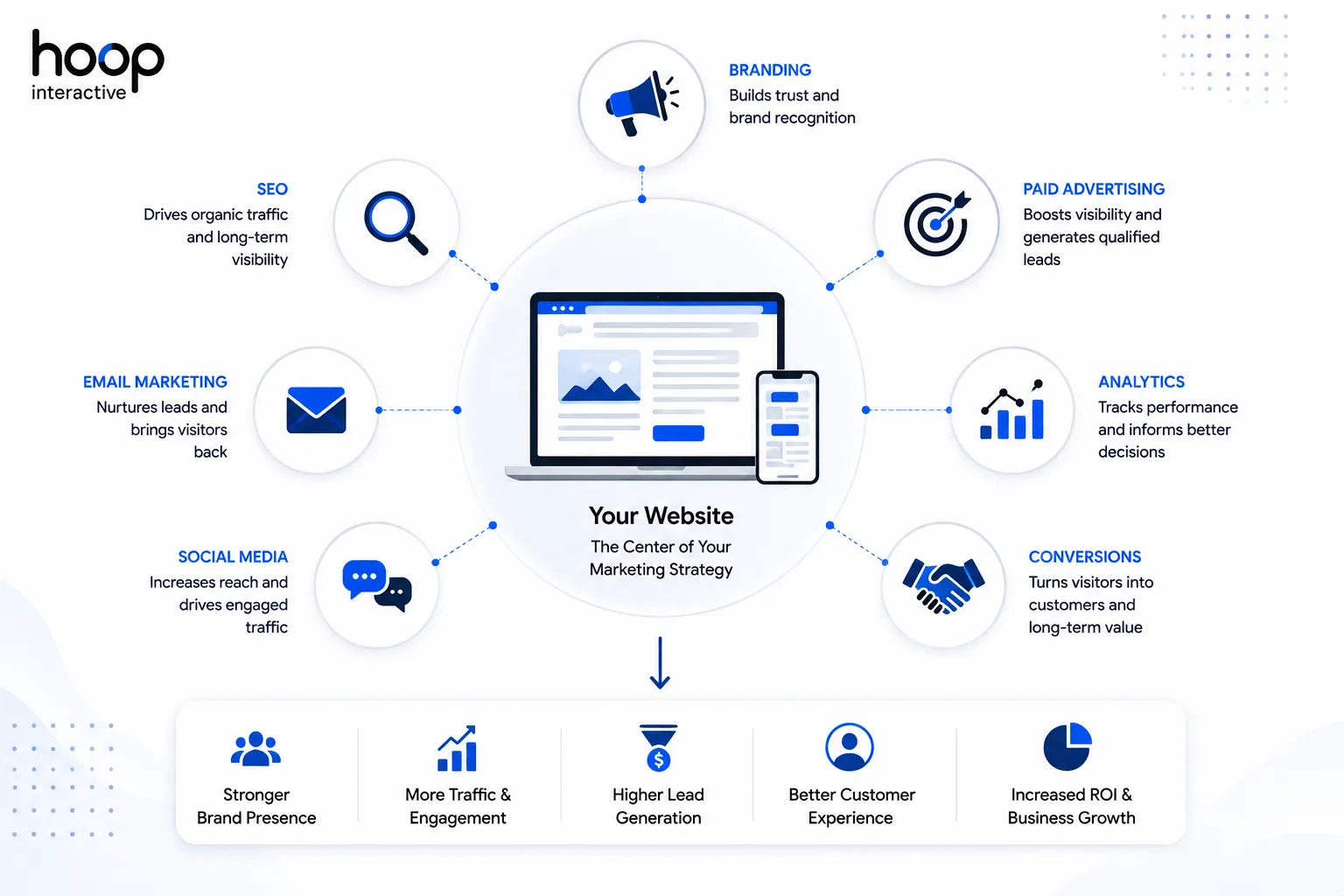
The best contractor websites all have one thing in common — they are supported by a complete digital marketing strategy.
Your website should work alongside local SEO, Google Business Profile optimisation, paid advertising, email marketing, social media, and content marketing. Each channel helps attract potential customers at different stages of the buying journey.
For example, someone may first discover your company through Google Search, visit your website, read a helpful blog article, browse your project gallery, check customer reviews, and finally request a free estimate. Every marketing channel contributes to building trust and moving that customer closer to making a decision.
Consistent branding across all platforms strengthens recognition and reinforces your company’s professionalism. When every marketing effort supports your website, you create a predictable system for generating qualified leads throughout the year.
Future Trends in Contractor Website Design
Customer expectations continue to evolve, and contractor websites must keep pace with these changes.
Mobile-first design will remain a priority as more homeowners search for contractors using smartphones. Websites that provide fast loading speeds, simple navigation, and responsive layouts will continue to outperform outdated designs.
Artificial intelligence will also become more common. AI-powered chatbots, personalised content recommendations, automated customer support, and advanced analytics will help contractors deliver faster and more relevant online experiences.
Interactive features such as online scheduling, instant quote requests, financing calculators, and virtual consultations are becoming increasingly popular because they make it easier for customers to engage with your business.
Accessibility will also receive greater attention. Clear fonts, logical page structures, descriptive image text, and easy navigation ensure every visitor can use your website comfortably while also supporting SEO best practices.
Contractors who invest in modern website design today will be better positioned to compete in the years ahead.
Conclusion
Creating one of the best contractor websites is about much more than attractive design. The highest-performing contractor websites combine professional branding, local SEO, fast loading speeds, mobile-friendly design, compelling content, and strong conversion strategies to turn visitors into loyal customers.
Whether you own a roofing company, HVAC business, plumbing service, electrical company, or general contracting firm, your website should be your most valuable marketing asset. By focusing on customer experience, trust, and search engine optimisation, you can generate more qualified leads and build sustainable long-term growth.
If you’re ready to create a contractor website that ranks higher, converts better, and supports your business goals, Hoop Interactive can help. Our team designs data-driven contractor websites that combine modern design, SEO expertise, and proven conversion strategies through our digital marketing services.
“Customers want proof, not adjectives. A before-and-after gallery does more than a page of claims about quality.”
Key takeaways
- 01Build a dedicated page per service and per real service area, not one catch-all list.
- 02Put reviews and certifications beside services, at the moment the decision is being made.
- 03Most homeowners search on a phone first, so mobile speed and click-to-call are baseline.
- 04Track calls, form submissions, and booked consultations — not just sessions.
Written by
Sahar
Content Writer
Frequently Asked
Questions
Everything you need to know before booking a strategy call. Can't find your answer? Contact us directly.
High-converting contractor websites combine professional design, fast loading speeds, mobile responsiveness, local SEO, customer reviews, trust signals, strong calls to action, and simple navigation.
Local SEO helps your website appear in Google Search and Google Maps when customers search for contractors in their area. Optimising service pages, location pages, and your Google Business Profile increases visibility and attracts more qualified local leads.
Yes. Dedicated service pages improve both user experience and SEO. Individual pages let you target specific keywords while providing detailed information that answers customer questions.
Review it regularly. Add new project galleries, publish helpful blog content, update service information, refresh testimonials, and monitor SEO performance.
The ability to convert visitors into leads. A clear value proposition, trust-building content, easy navigation, fast performance, and visible calls to action all play an essential role.
Keep reading
All articles →
Website Development in 2025: Complete Guide to Modern Web Solutions
Aug 5, 2026 · 7 min read
What Is Web Design? A Complete Guide to Modern Websites
Sep 4, 2026 · 10 min read