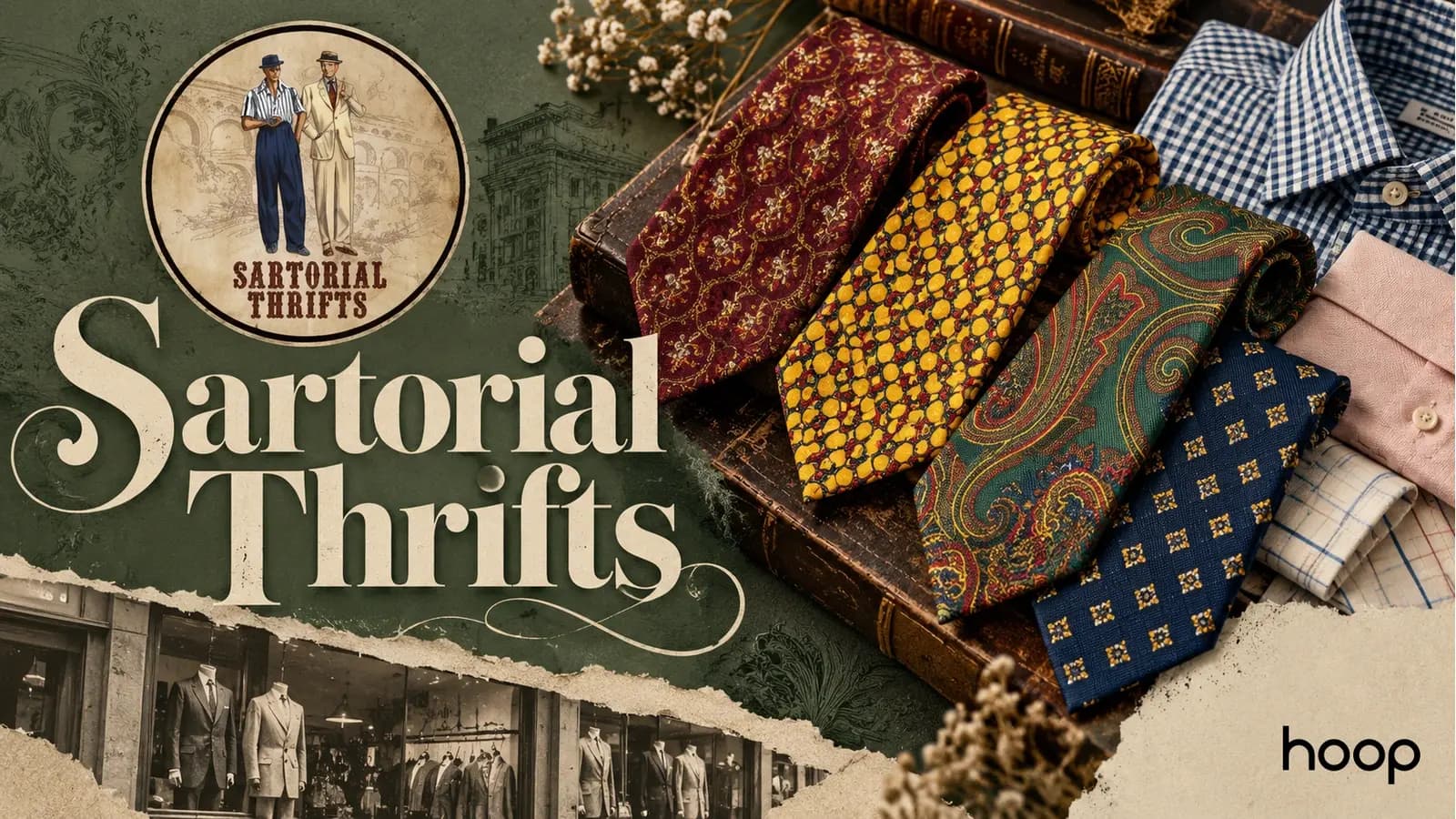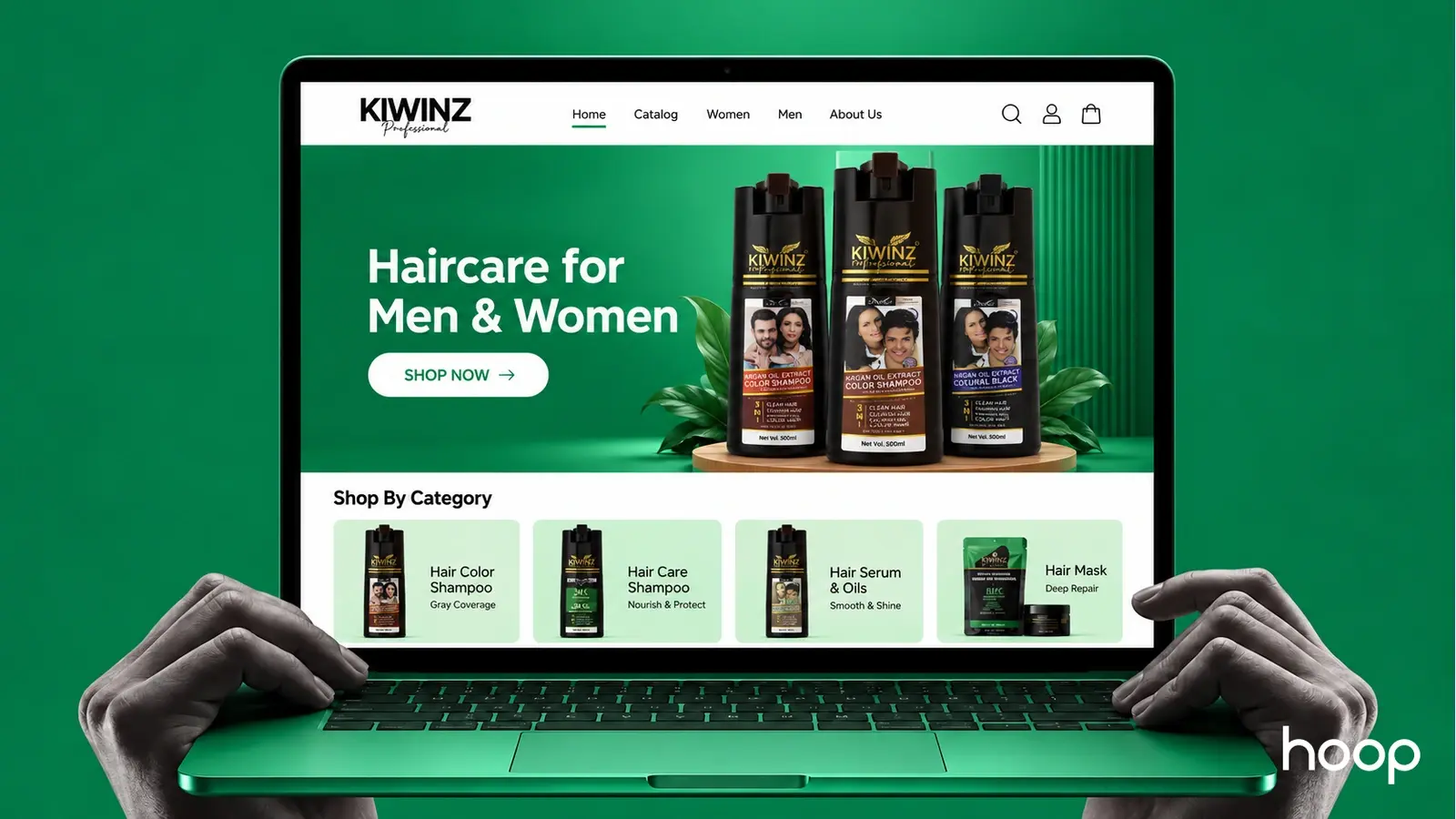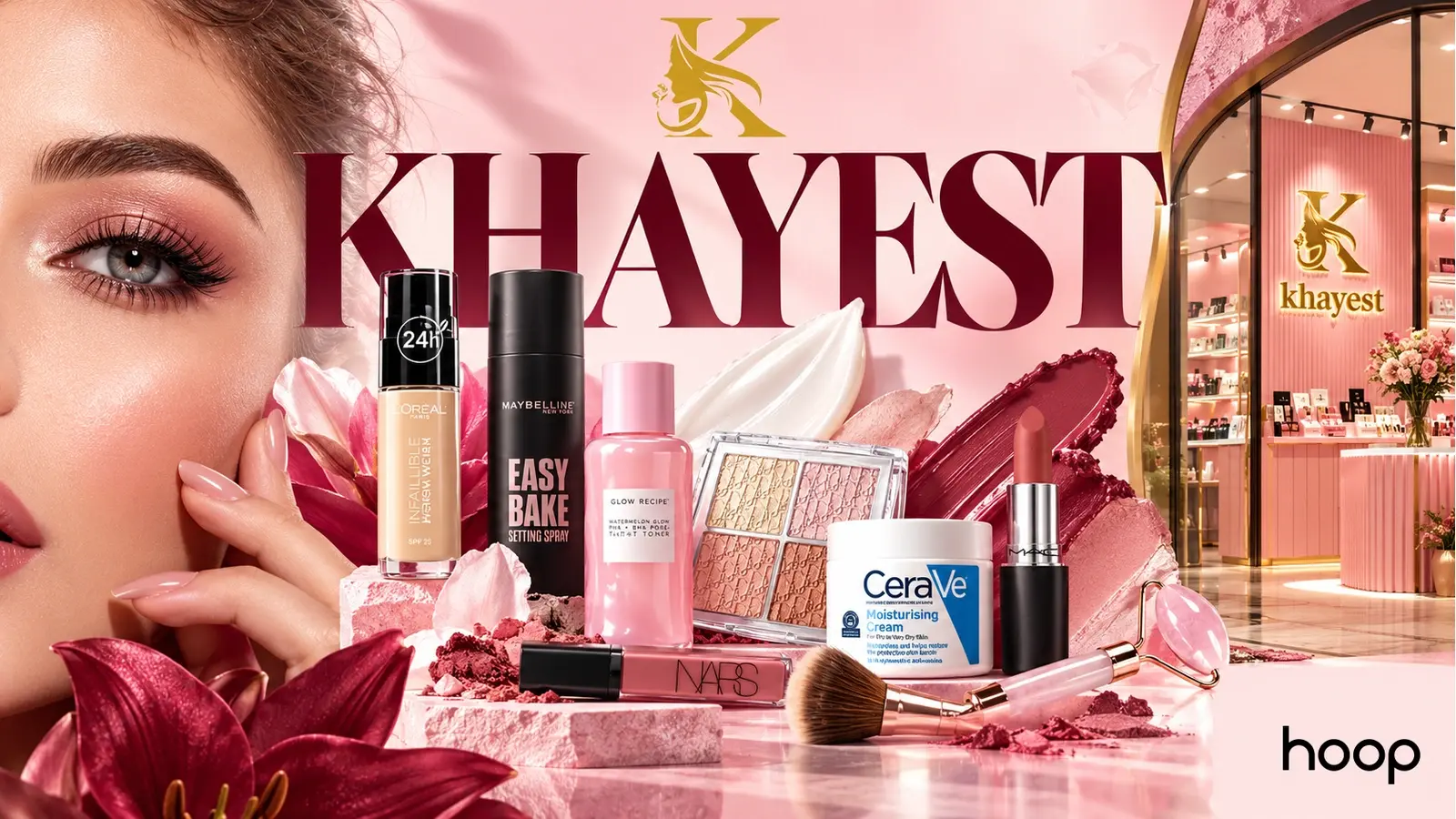
Built to win the shelf in three seconds, not just look good in a design deck.
We design structure and graphics as one system — because shoppers scan a shelf in roughly 3 to 5 seconds, and a strong graphic redesign on a generic structure rarely differentiates a product the way an integrated approach does.
What is packaging design?
Packaging design is the process of creating the structure, graphics, and materials that present a product to a consumer — everything from the physical form of the box to the typography on the front panel. It's often used as an umbrella term for two distinct disciplines: structural design (physical form, material, and function) and graphic design (the visual surface and brand story).
A package has to meet regulatory requirements, survive supply chain handling, and communicate the brand promise in under three seconds on a shelf shared with dozens of competitors.
- Structure and graphics together
- One system, since new colours on the same shape rarely differentiate.
- Function before sustainability
- Safety and shelf life drive decisions; green claims rank lower.
- Tested at shelf distance
- Not evaluated up close on a screen where everything reads well.
- Prototyped before production
- A package that renders well can still fail in transit.
Three scopes, and how saturated your category is.
The right scope depends almost entirely on whether competitors already use your visual codes.
| Scope | What changes | Best fit |
|---|---|---|
| Graphic-only redesign | Colours, typography, and imagery — structure stays the same. | Categories where the current structure still functions and differentiates well. |
| Structural-only redesign | Form, material, and function — graphics carry over largely unchanged. | Products needing better protection, sustainability, or shelf efficiency. |
| Integrated structural + graphic | Both disciplines designed together as one system. | Saturated categories where competitors already use similar visual codes. |
Function has to come before sustainability.
The order that actually reflects buying behaviour, and when structure becomes the lever.
What actually drives the purchase decision
Industry research consistently finds that food safety and shelf life are the most important characteristics influencing purchasing decisions, with environmental impact ranking lower. The right approach leads with packaging that works, then makes it as sustainable as that function allows — rather than starting from a sustainability mandate and hoping it still performs.
Graphic refresh, or structural redesign?
Refresh graphics alone if your category isn't saturated and your structure still works. Redesign the structure too if competitors already use similar visual codes to yours — structure becomes the key differentiator once graphic approaches start converging across a category.
Why invest in professional packaging design?
Packaging is the only marketing asset that reaches every single customer at the exact moment of purchase decision.
Up to 70% of decisions
Influenced at the physical or digital point of sale.
Read in 3 seconds
The brand promise communicated within a real shelf scan.
Structural differentiation
The lever that still works once graphics converge.
Lower supply chain cost
Smarter structural efficiency in material and shipping.
Credible sustainability
Without sacrificing the function customers expect.
Brand made physical
Identity extended into the one touchpoint customers hold.
Packaging work brands bring us.
We scope the engagement around your category and shelf context, not a generic template redesign.
Structural design & engineering
Physical form, material, and function engineered for protection and shelf efficiency.
Graphic & surface design
Typography, colour, and imagery built to communicate instantly under time pressure.
Material & sustainability strategy
Sustainable material choices built on top of what already functions, not instead of it.
Shelf impact testing
Real shelf-context evaluation against category competitors before finalizing.
Regulatory & compliance review
Labeling checked against relevant requirements before anything goes to print.
Multi-SKU system design
A consistent system that stays recognizable while differentiating individual products.
Signs you need packaging design.
Four situations send most brand and product leads to us for packaging-specific work.
- 01
Your packaging looks like every competitor's
Visual codes have converged across the category, and nothing stands out on the shelf.
- 02
You're launching a new product or line
Packaging needs to be built from scratch, structurally and graphically, before launch.
- 03
Sustainability pressure is mounting
Regulatory or consumer pressure requires material change without hurting function.
- 04
You're expanding into a multi-SKU line
New products need a consistent system that still differentiates individually.
Common packaging mistakes we help you avoid.
These five mistakes account for most of the packaging that fails to move the shelf metrics that matter.
Graphic-only redesign on a generic structure
HighNew colours on the same shape rarely differentiates in a saturated category. We evaluate structure and graphics together.
Leading with sustainability over function
CriticalFunction drives purchase decisions more than environmental claims. We build sustainable choices on top of what works, not instead of it.
Ignoring the three-second shelf test
CriticalDesign that reads well up close often fails at real shelf distance and speed. We test against realistic shelf conditions before finalizing.
No structural differentiation in saturated categories
MediumWhen every graphic approach converges, structure becomes the real lever. We assess whether structural change is actually needed.
Skipping supply chain and durability testing
HighA package that looks great in a render can fail in transit. We prototype and test before anything moves to production.
How we design your packaging.
Six stages, from category audit to production-ready files. We keep you informed with full visibility throughout.
Category & shelf audit
We map where competitors sit on shelf and identify the real differentiation gap.
1–2 weeks · AuditStructural concept development
We develop structural concepts where category saturation calls for real differentiation.
2–3 weeks · StructureGraphic & surface design
We design the visual system built to communicate instantly under a real shelf scan.
2–3 weeks · GraphicsMaterial & sustainability selection
We select materials that balance function, cost, and sustainability goals.
1–2 weeks · MaterialsPrototyping & testing
We prototype and test structural durability and shelf impact before production.
2–3 weeks · TestingProduction-ready files & rollout
We deliver files matched to manufacturer specs, with compliance reviewed.
1–2 weeks · RolloutPackaging design cost and timeline.
Three factors drive the price: whether structural work is included, number of SKUs, and prototyping rounds required. Manufacturer tooling and print production costs are billed separately by your production partner.
- Investment
- $3,000–$7,000
- Timeline
- 3–5 weeks
- Scope
- Surface design on existing structure
- Testing
- Shelf impact testing
- Files
- Production-ready
- Investment
- $7,000–$15,000
- Timeline
- 8–12 weeks
- Scope
- Structural & graphic combined
- Materials
- Material & sustainability strategy
- Testing
- Prototyping & durability
- Investment
- $15,000–$30,000+
- Timeline
- 12–16 weeks
- Scope
- Full product line system
- Team
- Dedicated packaging strategist
- Compliance
- Multi-market review
The tools behind your packaging design.
Industry-standard design and prototyping software, backed by structural expertise no template replaces.
Ways to work with us.
Pick the model that fits your product line. All are fixed-scope with no long-term lock-in.
Full Redesign Project
A complete, fixed-scope engagement from category audit through production files.
Best for a real resetGraphic Refresh
A focused visual update for products with structure that still performs well.
Best when structure worksShelf Audit Only
A one-time competitive shelf review for teams designing internally.
Best with in-house designBrand + Packaging Package
Packaging design paired with our brand identity design service.
Best for end-to-endEvery packaging engagement comes complete.
No hidden gaps. Each engagement includes everything you need for packaging built to perform on shelf.
- Category audit
- A clear picture of where competitors sit and where the gap is.
- Structural design
- Physical form engineered for function and shelf efficiency.
- Graphic design
- Visual system built to communicate within a real shelf scan.
- Material strategy
- Sustainable choices built on top of what actually works.
- Prototyping
- Physical testing before anything moves to production.
- Compliance review
- Labeling checked against relevant regulatory requirements.
- Production-ready files
- Matched to your manufacturer's exact specifications.
- Full design ownership
- You own every file and asset outright.
Packaging design across every product category.
The process stays the same. The structural and material choices change by category and shelf context.
Food & Beverage
Function-first packaging built around safety and shelf life.
Beauty & Personal Care
Sensory, premium packaging built for shelf and unboxing impact.
Health & Supplements
Trust-focused packaging with clear, compliant labeling.
CPG & Household Products
Multi-SKU systems built for recognition across a full line.
Ecommerce & DTC Brands
Packaging built for both shelf and unboxing experience.
Alcohol & Spirits
Premium structural and graphic design for high-consideration purchases.
Pet Products
Durable, functional packaging built for repeat purchase categories.
Electronics & Hardware
Protective structural design paired with premium unboxing graphics.
Explore more Branding & Creative services.
Packaging design is one of eleven services we offer under Branding & Creative.
Branding & Creative Services
The full branding service this sits under.
ExploreBrand Identity Design
The system packaging graphics are built from.
ExploreGraphic Design
Ongoing surface and collateral design.
ExploreProduct Marketing
Positioning the product the pack is selling.
ExploreBrand Strategy Consulting
The positioning the shelf presence expresses.
ExploreRetail Marketing
The shelf and omnichannel context around it.
ExploreEcommerce Marketing
Where the same pack meets a digital storefront.
ExploreLogo Design
The mark that anchors the front panel.
ExplorePackaging design questions
The questions brand and product leads ask us most before starting an engagement.
Structural packaging design deals with the physical form: the shape of the box, the material, and how it protects and dispenses the product. Graphic packaging design deals with the visual surface: typography, colour, imagery, and the front-panel story. Both disciplines have to work together, since a strong graphic redesign on a generic structure rarely differentiates a product the way an integrated approach does.
Packaging design costs $3,000 to $30,000 or more, depending on scope. A graphic-only redesign costs $3,000 to $7,000, a full structural and graphic system costs $7,000 to $15,000, and an enterprise multi-SKU program costs $15,000 to $30,000 or more. Manufacturer tooling and print production are billed separately.
A graphic-only redesign typically takes 3 to 5 weeks, a full structural and graphic system takes 8 to 12 weeks, and an enterprise multi-SKU program takes 12 to 16 weeks depending on the number of SKUs and prototyping rounds required.
Function first. Industry research consistently finds that food safety and shelf life are the most important characteristics influencing purchasing decisions, with environmental impact ranking lower. The right approach is packaging that works, then made as sustainable as that function allows — not the reverse.
About 3 to 5 seconds per product, which is why packaging has to communicate the brand promise almost instantly, competing against dozens of other products occupying the same shelf space at the same moment.
Yes, significantly. Packaging can influence up to 70% of purchasing decisions at the point of sale, where the physical experience of picking up, opening, and using a product matters as much as how it looks on the shelf.
Redesign graphics alone if your category isn't saturated and the current structure still functions well and differentiates adequately. Redesign the structure too if competitors use similar visual codes, since structure becomes the key differentiator once graphic approaches start looking alike across a category.
Yes. We design systems that stay consistent and recognizable across a full product line while still differentiating individual SKUs clearly enough for quick shelf identification.
Yes. We deliver production-ready files matched to your manufacturer's specifications and review labeling against relevant regulatory requirements before anything goes to print.
It depends on the brand and category. Minimalist design conveys premium simplicity and works well in saturated categories seeking calm differentiation, while maximalist design grabs attention through bold colour and graphics in categories where standing out matters more than restraint.
No. Packaging design runs as a fixed-scope project. Any ongoing multi-SKU or seasonal design support afterward works month-to-month with no long-term lock-in.
Yes. We sign an NDA before the discovery call, before you share any product or business details with us.