What Is PPC? A Complete Guide to Pay-Per-Click Advertising
Pay-per-click advertising puts your ads in front of high-intent searchers and you pay only when they click. Success comes from keyword research, strong ad copy, good landing pages, smart bidding, and conversion tracking.
Sahar
Content Writer
If you are searching for what is PPC, you are looking for a simple answer and a practical guide. PPC, or pay per click, is a form of online advertising where advertisers pay when someone clicks on their ad. It helps businesses reach a target audience, drive website traffic, generate leads, and grow sales faster.
Need this done right?
Hoop builds the strategy, design and development behind sites like this one — talk to us about yours.
PPC Definition in Simple Words
Let us start with the basic idea.
PPC stands for pay per click. It is a type of click advertising used in digital marketing and search engine marketing. In PPC, a business creates ads and places them on an advertising platform like Google Ads or Bing Ads. Then, when a user clicks the ad, the business pays a fee.
That is why it is called pay per click.
Instead of waiting for long-term organic traffic, PPC helps businesses get visibility quickly. It puts ads in front of people who are already searching for products, services, or answers. In simple words, PPC allows businesses to pay for attention from users with strong intent.
So, when someone asks what is PPC, the shortest answer is this:
PPC is a paid online advertising model where businesses pay each time a user clicks on their ad.
Why PPC Matters in Modern Digital Marketing
Today, businesses compete in crowded online markets. Many brands want the same clicks, the same customers, and the same leads. This is where PPC becomes valuable.
PPC matters because it offers:
- Fast visibility
- More control over reach
- Measurable performance
- Flexible budget options
- Better audience targeting
- Direct support for lead generation and sales
Unlike some long-term channels, PPC can start delivering traffic as soon as a campaign is live. This does not mean it is easy. However, it does mean that businesses can test offers, campaigns, and landing pages much faster.
This is why PPC is a major part of online advertising, internet marketing, and modern digital marketing strategy.
How PPC Works
To understand what is PPC, you need to understand the process behind it.
PPC works through an auction system. When someone searches for a keyword or browses content on a platform, advertisers compete for ad placement. The platform decides which ads to show based on a mix of bidding, relevance, and quality.
Here is the simple process.
1. Advertisers choose keywords
A business starts with keyword research. It identifies the words and phrases people search when they need a product, service, or answer.
For example, if a business sells home cleaning services, it may target keywords like:
- home cleaning service
- cleaning company near me
- deep cleaning services
This is why strong search terms matter in PPC.
2. The advertiser creates an ad campaign
The business builds an ad campaign inside a platform such as Google Ads or Bing Ads. It writes ad copy, chooses a target audience, sets a budget, and decides where the ad should appear.
3. The ad enters an auction
When a user searches for a keyword, the system runs an ad auction. Advertisers do not simply win because they bid the highest amount. Search engines also consider quality score, relevance, expected click-through rate, and landing page experience.
4. The ad appears
If the ad is competitive enough, it appears in search results or on a relevant placement. Then, if a user clicks, the advertiser pays.
5. The user lands on a page
The click sends the visitor to a landing page. This page should match the ad, answer the user’s need, and guide them toward action.
6. Performance is measured
The advertiser tracks metrics like cost per click, conversion rate, ad spend, and return on investment. Then the campaign is improved.
That is the basic flow of PPC.
Main PPC Platforms
A strong article on what is PPC should also explain where PPC ads appear.
Google Ads
Google Ads is the most widely known PPC platform. It allows businesses to show ads in Google search results, YouTube, partner websites, shopping listings, and other placements.
Google Ads is popular because it reaches people with strong search intent.
Bing Ads or Microsoft Advertising
Bing Ads, now called Microsoft Advertising, also supports paid search campaigns. It works in a similar way and can help businesses reach a different audience.
Social Media Advertising Platforms
While PPC is often linked with search, social platforms also support paid ad models. These may include Facebook, Instagram, LinkedIn, and other platforms where advertisers pay based on clicks, impressions, or conversions.
Display Networks
Display advertising shows visual ads across partner websites and apps. It may support brand awareness, remarketing, and broader reach.
So, PPC is not limited to one channel. It can be used across different marketing channels, depending on goals and strategy.
Key PPC Terms You Need to Know
To really understand PPC advertising, you need to know the important terms.
Cost Per Click or CPC
Cost-Per-Click, often written as CPC, means the amount paid for each click.
Click-Through Rate or CTR
Click-Through Rate shows how often people click after seeing your ad. A strong CTR often suggests that the ad is relevant and attractive.
Conversion Rate
Conversion Rate shows how many users complete an action after clicking. That action could be a sign-up, purchase, booking, or form submission.
Return on Ad Spend or ROAS
Return on Ad Spend measures the revenue made from ad spending. It helps businesses evaluate campaign profitability.
Quality Score
Quality Score is a platform rating based on keyword relevance, expected CTR, and landing page quality. A better score can lower costs and improve placement.
Cost Per Acquisition
Cost per acquisition tells you how much you spend to get one lead or customer.
Impression Share
Impression share shows how often your ads appear compared to the total possible opportunities.
Negative Keywords
Negative keywords are terms you do not want your ads to show for. They help reduce waste and improve targeting.
These terms are essential for understanding how PPC performance is measured.
The Role of Keyword Research in PPC
Keyword research is one of the most important parts of PPC.
It helps advertisers understand:
- What the audience is searching for
- How much competition exists
- Which terms show buying intent
- Which phrases may waste budget
- Which keywords deserve stronger bids
Good keyword research improves relevance, campaign efficiency, and conversion opportunity.
A weak PPC campaign often starts with weak keyword choices. If you target the wrong terms, the wrong people will click. As a result, your ad spend goes up while your results stay poor.
That is why businesses must look beyond volume alone. They should study intent, competition, and commercial value.
PPC Campaign Structure
A clean campaign structure helps make PPC easier to manage and improve.
A typical structure looks like this:
- Account
- Campaign
- Ad group
- Keywords
- Ads
- Landing pages
Each ad campaign should have a clear goal. Inside each campaign, ad groups should be organized by themes. This keeps keywords, ads, and pages aligned.
For example, one campaign may target “kitchen remodeling,” while another targets “bathroom remodeling.” Inside each one, the ads and landing pages would match that topic.
A clear structure improves relevance, reporting, and optimization.
Ad Copy and Why It Matters
Ad copy is the text users see in the ad. It is one of the biggest factors in whether someone clicks or ignores the ad.
Strong ad copy should:
- Match the keyword
- Be clear and relevant
- Highlight a benefit
- Include a strong call to action
- Match user intent
Good ad copy does not try to sound clever at the cost of clarity. Instead, it tells people what the offer is, why it matters, and what to do next.
This improves click-through rate, ad relevance, and campaign performance.
Landing Pages and PPC Success
A PPC campaign does not succeed from clicks alone. It succeeds when clicks turn into action.
That is why the landing page is critical.
A strong landing page should:
- Match the message in the ad
- Load quickly
- Work well on mobile
- Focus on one goal
- Build trust clearly
- Make the next step simple
For example, if the ad promises a free consultation, the landing page should make that offer visible right away. If the ad talks about a product discount, the page should continue that same message.
This alignment supports better conversion rate and better quality score.
Bidding Strategy in PPC
Bidding strategy is how an advertiser controls spending and visibility in an ad auction.
Common bid approaches may include:
- Manual bidding
- Automated bidding
- Maximize clicks
- Maximize conversions
- Target CPA
- Target ROAS
The right strategy depends on your goals. A beginner may start simple, while a mature account may use automation supported by strong data.
However, even smart bidding needs structure, clean tracking, and good inputs. Automation is helpful, but poor campaigns do not become strong just because bidding is automated.
PPC and Target Audience
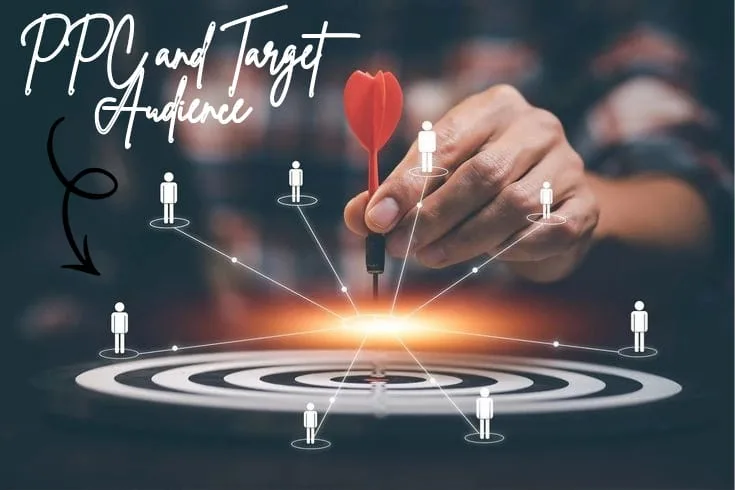
A successful campaign must reach the right target audience.
This means understanding:
- Demographics
- Interests
- Device behavior
- Location
- Search intent
- Buying stage
Not every click is valuable. Good PPC focuses on the users most likely to convert. This is why targeting is so important.
The better the targeting, the more likely the campaign will produce quality traffic and stronger results.
Benefits of PPC Advertising
There are many reasons businesses invest in PPC.
Immediate Visibility
PPC can put a brand in front of searchers quickly. This is one of the biggest reasons it is useful.
High Intent Traffic
Because many PPC campaigns target search behavior, they often reach people already interested in solving a problem.
Measurable Results
PPC is highly measurable. Advertisers can track impressions, clicks, conversions, and return on ad spend.
Budget Control
A business can set daily or monthly budgets and adjust spending based on results.
Better Testing
PPC makes it easier to test headlines, ad copy, offers, keywords, and landing pages.
Strong Lead Generation
For many businesses, PPC supports direct lead generation through calls, forms, demos, or inquiries.
Support for Online Sales
PPC can also support online sales, especially in ecommerce and service-based businesses.
That is why PPC remains a major part of paid advertising and search advertising strategies.
PPC vs SEO
A common question is the difference between PPC vs SEO.
PPC
- Paid traffic
- Faster results
- Immediate visibility
- Cost for each click
- Useful for testing and scaling quickly
SEO
- Organic traffic
- Slower to build
- Long-term compounding value
- No payment for each click
- Strong for sustainable visibility
PPC and SEO are not enemies. In fact, many smart businesses use both.
PPC provides speed. SEO builds long-term strength. Together, they can support a stronger online marketing strategy.
Types of PPC Advertising
There are different forms of PPC.
Search Advertising
These ads appear in search engine results pages. This is the classic form of pay per click.
Display Advertising
These are visual ads placed across websites and apps. They are often used for awareness and retargeting.
Remarketing and Retargeting
Remarketing or retargeting shows ads to users who previously visited your website or interacted with your business. This helps bring back warm users who did not convert the first time.
Shopping Ads
Shopping ads are useful for ecommerce brands that want to show products, prices, and images directly in results.
Local Service Ads
For some industries, Local Service Ads can support direct inquiries and local lead generation.
Mobile Advertising
Mobile campaigns target users on mobile devices and can support calls, app actions, and mobile-first buying behavior.
Each type has a different role inside a broader PPC strategy.
PPC Metrics That Matter Most
A business should not judge PPC only by clicks. Better measurement looks at the full picture.
Important metrics include:
- Clicks
- Cost per click
- Click-through rate
- Conversion rate
- Cost per acquisition
- Return on ad spend
- Impression share
- Qualified leads
- Sales value
- Profitability
These metrics help answer important questions:
- Are the right people clicking?
- Are clicks turning into leads?
- Is the budget being spent wisely?
- Which campaigns deserve more investment?
- Which ads should be paused?
This is how PPC becomes a real growth tool instead of a guessing game.
Common PPC Mistakes
Many businesses run PPC campaigns but still get weak results. Usually, the problem is not the channel itself. It is the setup.
Weak Keyword Research
If the keywords are wrong, the campaign will attract weak clicks.
Poor Ad Copy
If the message is vague, irrelevant, or weak, users will ignore it.
Bad Landing Pages
If the page is slow or confusing, conversions will suffer.
No Negative Keywords
Without negative keywords, the campaign may show for irrelevant searches.
Weak Tracking
Without conversion tracking, it is hard to know what works.
Poor Budget Control
If advertising budget is not managed carefully, waste increases quickly.
Ignoring Search Terms
Reviewing search terms helps advertisers see what people actually typed before clicking. Ignoring this can lead to poor optimization.
Click Fraud Risk
Although not always severe, click fraud can affect some campaigns. That is why monitoring and platform controls matter.
PPC Best Practices
Here are some practical PPC best practices for beginners and businesses:
- Start with clear campaign goals
- Use focused keyword themes
- Write clear ad copy
- Match ads to landing pages
- Add negative keywords early
- Monitor search terms often
- Improve quality score over time
- Test ad variations
- Track conversions properly
- Review ROI, not just traffic
These habits improve efficiency and reduce waste.
The Role of Conversion Tracking
Conversion tracking is essential in PPC.
Without tracking, you may see clicks but not understand which campaigns actually bring leads or sales. Tracking helps advertisers connect ad spend to results.
Common conversions include:
- Form submissions
- Phone calls
- Purchases
- Demo bookings
- Email signups
- App installs
This is one reason PPC can be so powerful. It is not just visible. It is measurable.
PPC for Beginners
If someone is learning PPC for beginners, the most important lesson is this:
PPC is not simply about paying for clicks. It is about building campaigns that turn clicks into meaningful actions.
A beginner should focus on:
- Clear goals
- Good keyword research
- Simple campaign structure
- Relevant ad copy
- Strong landing pages
- Smart tracking
- Continuous optimization
Starting simple is better than launching a large, messy campaign.
PPC and Business Growth
PPC can support many types of businesses.
Service Businesses
PPC helps service providers generate calls, form fills, and local inquiries.
Ecommerce Brands
PPC supports product discovery, shopping ads, and direct online sales.
B2B Companies
PPC can support demos, consultations, and pipeline growth.
Local Businesses
PPC can help reach high-intent local users quickly.
That is why PPC remains valuable across different business models.
Conclusion
Now you have a clear answer to what is PPC. PPC, or pay per click, is a form of online advertising that helps businesses appear in front of the right audience, drive targeted traffic, generate leads, and support sales through measurable, controlled campaigns.
If your business wants stronger PPC campaign performance, better keyword research, improved landing page results, and smarter return on investment, Hoop can help. Contact Hoop today to build a PPC strategy that drives qualified clicks, better conversions, and real business growth.
“PPC is a paid online advertising model where businesses pay each time a user clicks on their ad.”
Key takeaways
- 01PPC is a paid model — you pay each time someone clicks your ad
- 02It delivers fast, intent-driven visibility, unlike organic SEO
- 03Results depend on keywords, ad copy, landing pages, and bidding
- 04Track CPC, CTR, conversion rate, and ROI — conversion tracking is essential
Written by
Sahar
Content Writer
Frequently Asked
Questions
Everything you need to know before booking a strategy call. Can't find your answer? Contact us directly.
PPC is a form of online advertising where a business pays each time someone clicks on its ad.
PPC stands for pay per click.
Google Ads is one of the main platforms used for PPC, but PPC can also happen on other platforms.
PPC uses paid ads for traffic, while SEO focuses on organic visibility.
A good starting set includes cost per click, click-through rate, conversion rate, and return on ad spend.
Quality score affects how efficiently ads perform. Better scores can reduce costs and improve placement.
Negative keywords stop ads from showing for irrelevant searches.
Yes. PPC is widely used for lead generation, especially when campaigns and landing pages are well aligned.