Custom Software Development: Step-by-Step Guide for Non-Tech Founders
You don't need to code to build software. This guide walks non-tech founders through the full development process — validation, vision, MVP, choosing a partner, budgeting, and features — so you avoid expensive mistakes.
Sahar
Content Writer
Building software for the first time can feel overwhelming, especially if you don't have a technical background. This Custom Software Development: Step-by-Step Guide for Non-Tech Founders explains the complete software development process, helping you understand each stage, avoid costly mistakes, and confidently turn your business idea into a successful digital product.
Need this done right?
Hoop builds the strategy, design and development behind sites like this one — talk to us about yours.
Why Custom Software Development Matters for Non-Tech Founders
Many successful entrepreneurs build software businesses without writing code. Their success comes from identifying a problem and partnering with experienced developers to create the right solution.
Custom software development enables businesses to build applications tailored to their goals, workflows, and future growth instead of relying on generic, off-the-shelf solutions. This provides greater flexibility, scalability, and long-term value.
Whether you're building a SaaS Development Services solution, a web application, a mobile application, or enterprise software, understanding the development process helps you make informed decisions and create a solution that meets customer needs.
Understanding the Custom Software Development Process
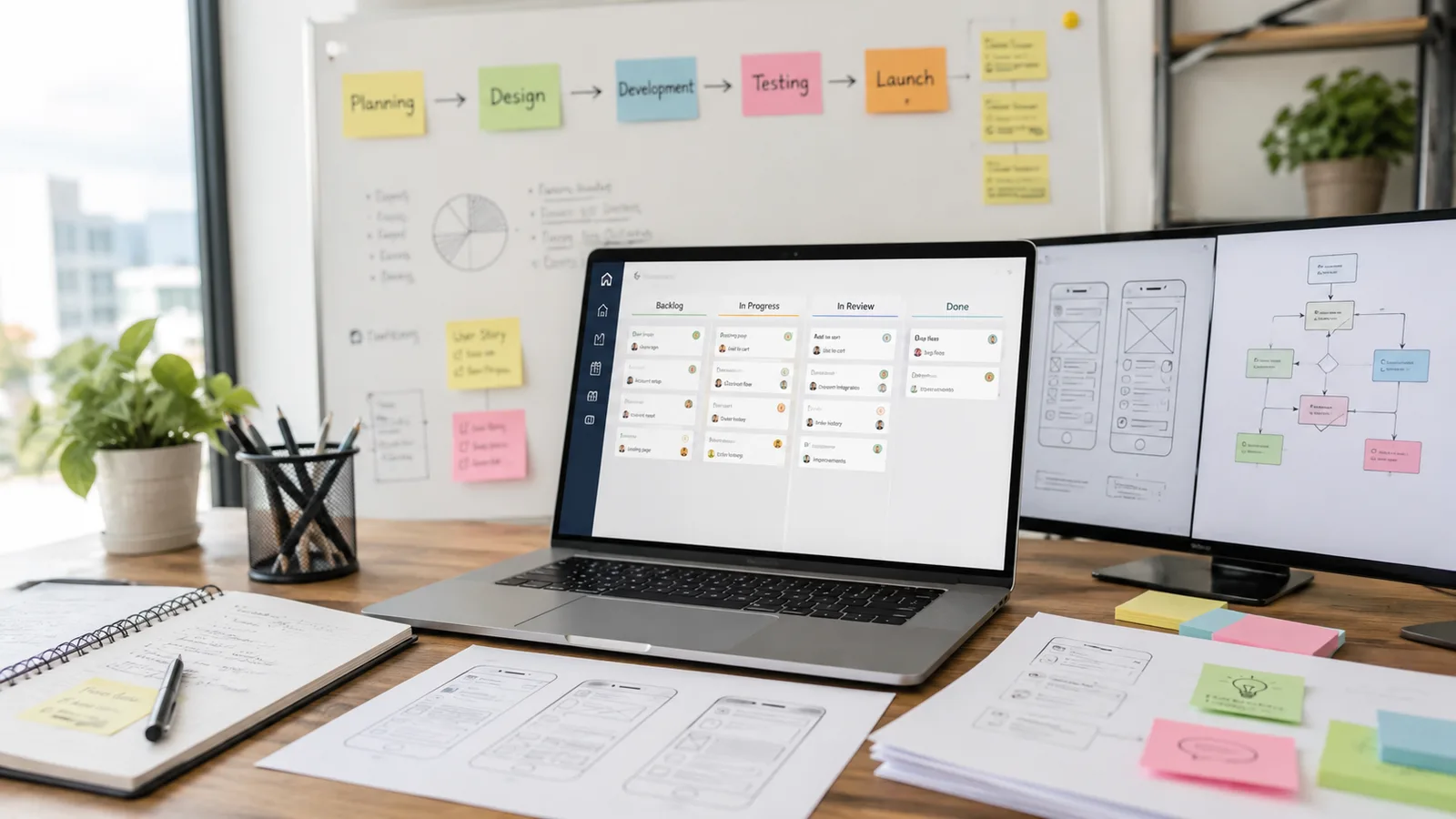
One of the biggest misconceptions among first-time founders is that software development begins with coding. In reality, coding is only one stage of a much larger process.A successful project starts with planning, research, communication, and clear business objectives. Every decision made before development affects the final product, project timeline, and overall budget.The software development process generally includes several connected stages, each building on the previous one. Skipping any of these steps often leads to delays, budget overruns, and products that fail to meet user expectations.When founders understand this process, they communicate more effectively with developers, set realistic expectations, and reduce unnecessary risks throughout the project.
Step 1: Validate Your Business Idea
Before investing in custom software development, make sure your idea solves a genuine problem.Many startups fail because they spend months building products that nobody actually needs. Validating your idea early helps you avoid wasting time and money.Start by identifying the specific challenge your customers face. Instead of focusing immediately on features, concentrate on understanding user pain points and how your product will improve their lives. Ask yourself questions such as:
- Who is my target audience?
- What problem am I solving?
- How are people solving this problem today?
- Why would customers choose my solution?
- What makes my product different?
Conducting market research also helps you understand existing competitors. Analyse similar products, identify gaps in the market, and look for opportunities to deliver a better customer experience.Customer interviews, online surveys, and prototype testing provide valuable insights before development begins. Listening to real users often reveals opportunities you may not have considered.Validating your business idea creates a stronger foundation for every stage that follows.
Step 2: Define Your Business Goals and Product Vision
After validating your idea, the next step is creating a clear product vision.Many founders describe what they want their software to do but struggle to explain why it should exist. Developers need more than a feature list—they need to understand the business objectives behind the project. Your product vision should explain:
- The purpose of the software
- The target users
- The business goals
- The problems being solved
- Long-term growth plans
Having this clarity makes decision-making much easier throughout development.For example, if your goal is to automate business operations, your priorities may differ from someone building a social networking platform or an online marketplace. Every feature should support your overall business strategy rather than simply adding complexity.
Step 3: Create a Minimum Viable Product (MVP)
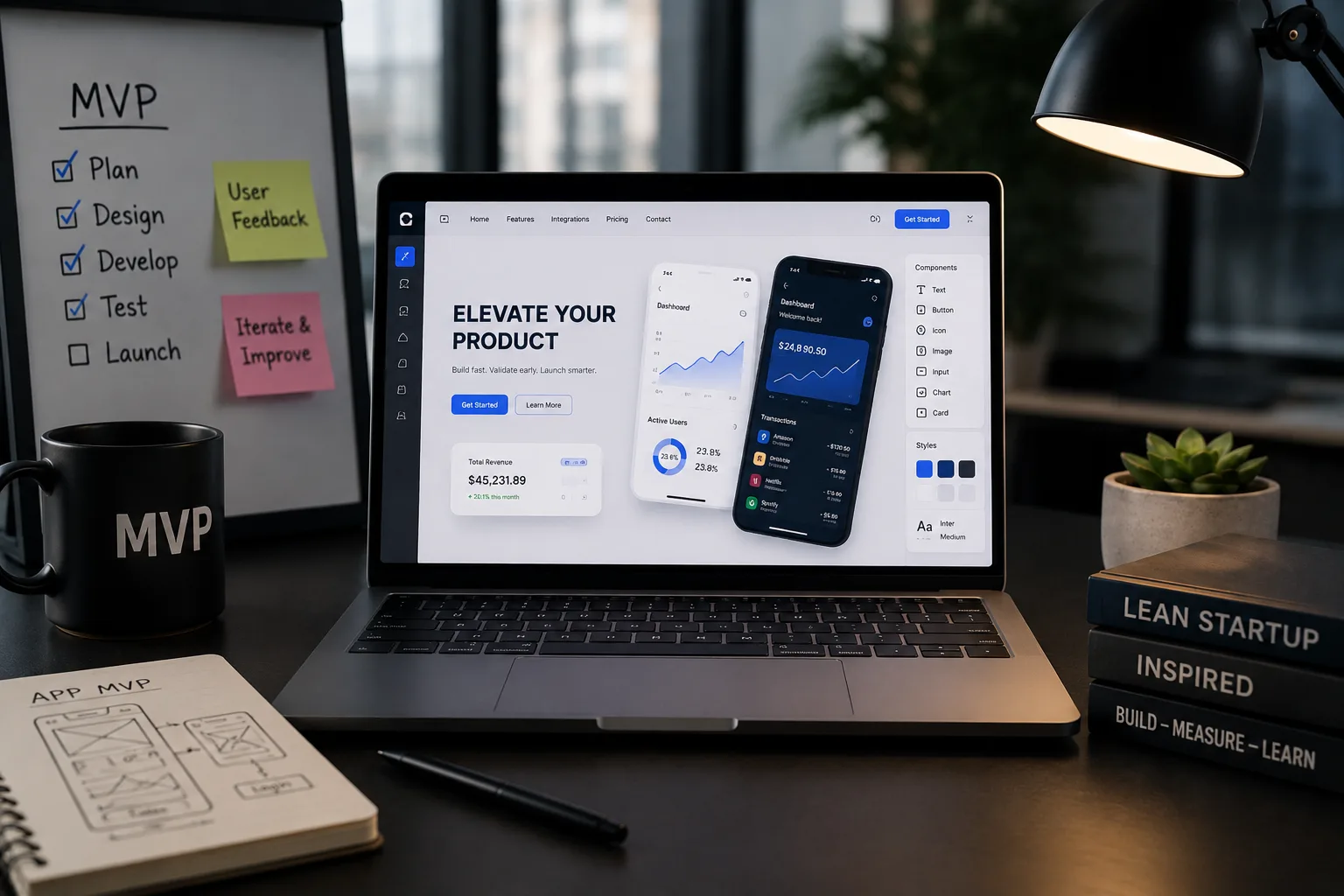
One of the smartest decisions a non-tech founder can make is building a Minimum Viable Product (MVP). An MVP is the simplest version of your software that delivers value to users while solving the core problem. Instead of launching with dozens of advanced features, focus on the essentials. For example, a booking application may initially include:
- User registration
- Search functionality
- Booking system
- Payment integration
- User profiles
Additional features such as AI recommendations, advanced analytics, loyalty programmes, or automation can be introduced after receiving user feedback.Launching an MVP offers several advantages. It reduces development costs, shortens the project timeline, allows faster market entry, and helps founders validate their ideas using real customer behaviour instead of assumptions.Many of today's successful software companies started with simple MVPs before gradually expanding their products.
Step 4: Choose the Right Software Development Partner
Selecting the right software development company is one of the most important decisions you'll make.Your development partner is more than a group of programmers. They should understand your business goals, offer strategic advice, recommend suitable technologies, and help transform your vision into a scalable software solution.When evaluating potential partners, look beyond price alone. A low-cost provider may lack the experience needed to build reliable, secure, and scalable software.Instead, consider factors such as technical expertise, communication, industry experience, project management processes, and long-term support.An experienced development partner will also explain technical concepts in simple language, making it easier for non-tech founders to stay involved throughout the project. Clear communication builds trust, reduces misunderstandings, and leads to better project outcomes.
Step 5: Plan Your Budget and Timeline
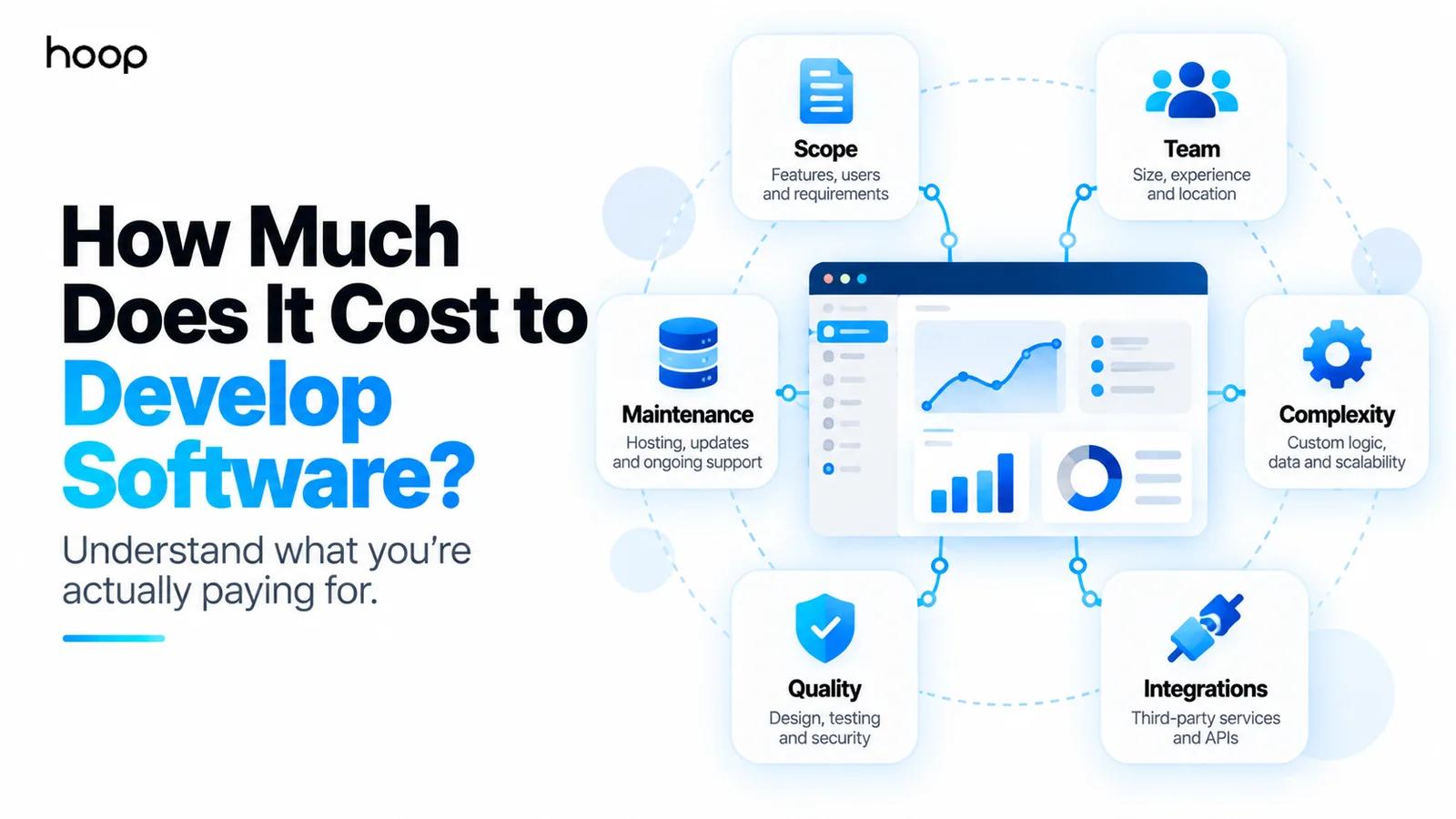
Budgeting is often one of the biggest concerns for startup founders.The total cost of custom software development depends on several factors, including project complexity, number of features, integrations, technology stack, design requirements, and the experience of the development team.Rather than asking, "How much will my software cost?" ask, "What features are essential for achieving my business goals?"This approach helps prioritise investment where it creates the greatest value.Your project timeline will also vary depending on the scope of work. Simple applications can be completed relatively quickly, while enterprise software with advanced integrations requires more planning, development, testing, and deployment.Remember that high-quality software takes time. Rushing development often results in technical issues, security vulnerabilities, and expensive revisions later. A realistic schedule allows your team to focus on quality while ensuring the final product is reliable, scalable, and ready for long-term growth.
Step 6: Plan the Features That Matter Most
Once your budget and timeline are in place, it's time to decide what your software should do. This is where many non-tech founders make costly mistakes. They try to include every possible feature in the first version of the product.Adding too many features increases development time, raises costs, and makes the software more difficult to test and maintain.Instead, focus on features that solve your users' biggest problems. Every feature should have a clear purpose and support your overall business goals. Start by separating features into three categories:
- Must-have features
- Nice-to-have features
- Future enhancements
This simple approach helps your development team focus on delivering a high-quality product while keeping the project within budget. Remember, successful software is built around user needs rather than unnecessary complexity.
Step 7: Understand the Software Development Lifecycle
The Software Development Lifecycle (SDLC) provides a structured framework for building reliable software. Understanding each stage helps non-tech founders communicate more effectively with developers and monitor project progress. Although every company has its own workflow, most projects follow a similar development lifecycle.
Discovery and Planning
The discovery phase lays the foundation for the entire project. During this stage, the team gathers business requirements, understands user expectations, analyses competitors, and identifies technical challenges.
The outcome is a clear development roadmap that aligns with your product vision.
UI and UX Design
Before development begins, designers create wireframes and interactive prototypes. Good User Interface (UI) and User Experience (UX) design focus on making the software simple, attractive, and easy to use. An intuitive interface increases customer satisfaction and improves user retention, making design one of the most valuable investments in any software project.
Software Development
This is the stage where developers begin building the application.Front-end developers create everything users see and interact with, while backend developers build the systems that manage data, authentication, APIs, databases, and business logic.Throughout development, teams often work in short Agile sprints, allowing regular reviews and continuous improvements.
Quality Assurance and Testing
Testing ensures every feature works as expected before the software reaches customers.Quality Assurance engineers identify bugs, verify functionality, test performance, and ensure compatibility across different devices and browsers.Skipping this stage can lead to poor user experiences and expensive fixes after launch.
Deployment and Launch
Once testing is complete, the software is deployed to the production environment.The launch process includes configuring cloud infrastructure, setting up databases, monitoring performance, and ensuring everything operates smoothly for users.Launching the software is an important milestone, but it is only the beginning of the product's journey.
Step 8: Learn the Basics of Agile Development
Many non-tech founders hear terms like Agile, Scrum, and sprint planning but are unsure what they actually mean.Agile development is simply a flexible way of building software through small, manageable stages instead of completing the entire project at once.Rather than waiting months to see progress, founders receive regular updates, review completed work, and provide feedback throughout development. Agile offers several advantages:
- Greater flexibility
- Faster feedback
- Better collaboration
- Lower project risk
- Continuous improvements
This approach allows businesses to respond quickly to changing customer needs and market conditions.
Step 9: Communicate Clearly With Your Development Team
Strong communication is one of the biggest factors behind successful custom software development.You do not need to understand programming languages such as JavaScript, Python, or TypeScript to manage a software project effectively.Instead, focus on explaining your business goals, customer challenges, and expected outcomes.Encourage open discussions with your project manager, designers, and software engineers. Ask questions whenever something is unclear, review progress regularly, and provide constructive feedback.Good communication reduces misunderstandings, prevents unnecessary revisions, and keeps the project moving in the right direction.The best development teams view founders as partners rather than clients, working together to achieve shared objectives.
Common Mistakes Non-Tech Founders Should Avoid
Even the most promising software ideas can fail when common mistakes are ignored. Understanding these challenges helps founders make better decisions throughout the development process.One frequent mistake is prioritising technology over customer problems. Users care about solutions, not programming languages or technical specifications. Always focus on delivering value first. Another mistake is changing project requirements too often. While some adjustments are expected, constant changes increase costs and delay delivery.Many founders also underestimate the importance of documentation. Clear project requirements, user stories, and business objectives help developers understand exactly what needs to be built.Ignoring software testing is another costly error. Releasing an application without proper Quality Assurance often results in bugs, poor reviews, and dissatisfied customers.Finally, some businesses choose development partners based only on price. Although affordability matters, experience, communication, and technical expertise have a much greater impact on the success of your project.
Essential Technologies Used in Modern Custom Software Development
Modern software solutions rely on a wide range of technologies to deliver secure, scalable, and high-performing applications.Depending on your project requirements, your development team may recommend technologies such as React, Next.js, Flutter, React Native, Node.js, Python, or cloud platforms including Amazon Web Services (AWS), Microsoft Azure, and Google Cloud.Many businesses also integrate APIs to connect with third-party services such as payment gateways, customer relationship management systems, analytics platforms, and communication tools.Artificial Intelligence is becoming increasingly common in software products. Features such as intelligent search, personalised recommendations, automated workflows, and AI-powered chatbots help businesses improve customer experiences while increasing operational efficiency.The right technology stack should always support your business goals, future scalability, and long-term maintenance rather than simply following the latest trends.
How Artificial Intelligence Is Transforming Custom Software Development
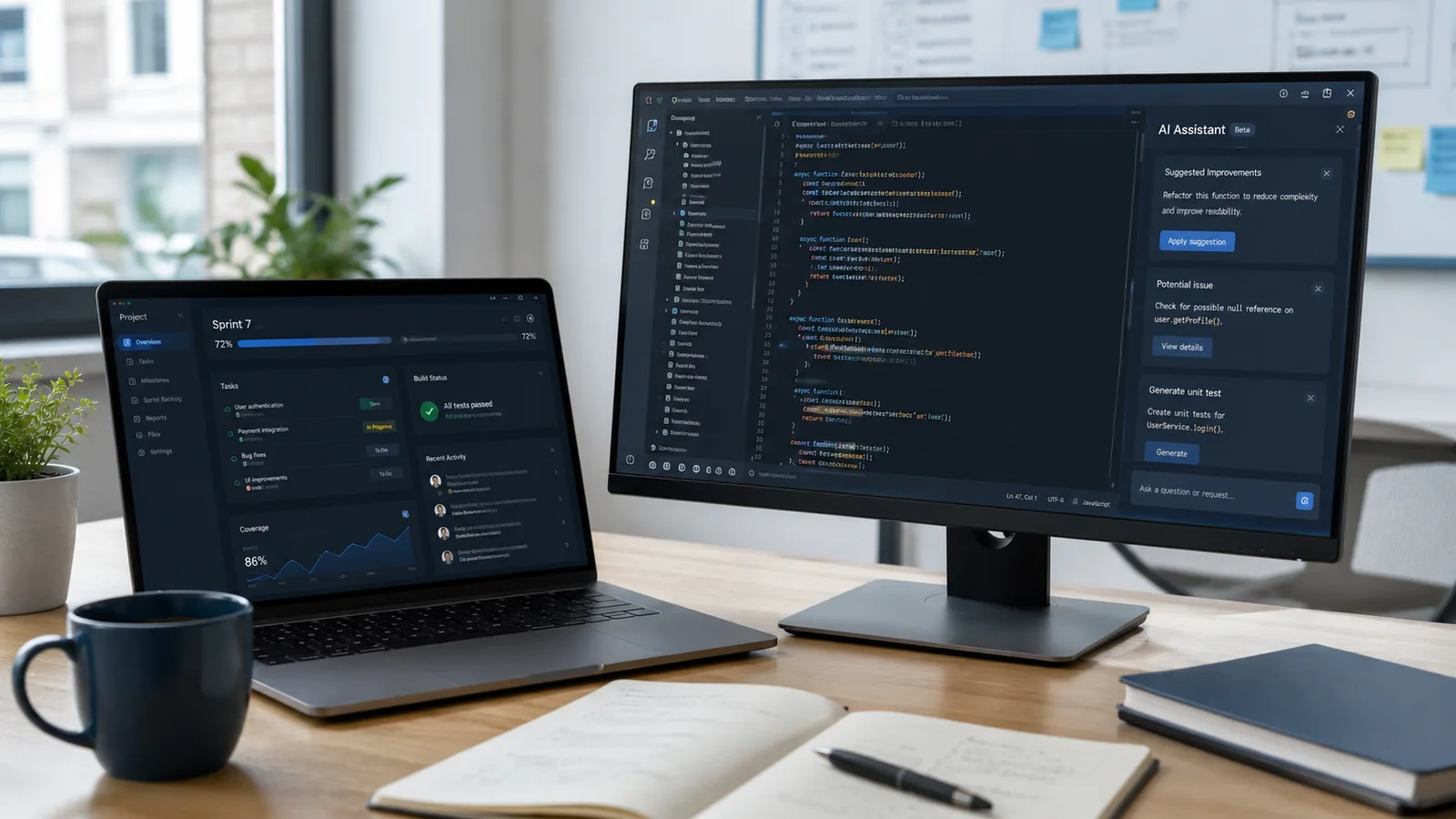
AI Development Servicesis changing the way businesses build and manage software. What was once considered an advanced feature is now becoming a standard expectation across many industries. From startups to large enterprises, organisations are using AI to automate tasks, improve customer experiences, and make better business decisions.For non-tech founders, this means creating smarter applications without adding unnecessary complexity. When planned correctly, AI can increase efficiency and provide long-term value. Some of the most popular AI-powered features include:
- Intelligent chatbots for customer support
- Personalised recommendations
- Predictive analytics
- Automated workflows
- Voice recognition
However, not every project requires Artificial Intelligence. The best approach is to include AI only when it supports your business objectives and improves the user experience.
Preparing for a Successful Product Launch
Launching your software is an exciting milestone, but it should never be treated as the final step. A successful launch requires careful planning and continuous monitoring to ensure everything performs as expected.Before releasing your product, your development team should complete final testing, optimise application performance, verify security measures, and prepare the cloud infrastructure for real users.You should also have a clear launch strategy that includes marketing, customer support, and performance monitoring. Gathering user feedback during the first few weeks helps identify improvement opportunities and ensures your product continues to meet customer expectations.Preparing your team before launch is equally important. Everyone involved should understand how the software works, how customer issues will be handled, and how future updates will be managed.
Why Ongoing Maintenance Is Essential
Many first-time founders believe software development ends after launch. In reality, software requires continuous improvements to remain secure, reliable, and competitive.Regular maintenance helps your application adapt to changing customer expectations, operating system updates, and business growth. Maintenance activities often include:
- Bug fixes and security updates
- Performance optimisation
- Feature enhancements
- Cloud infrastructure monitoring
- Database optimisation
- Compatibility updates for new devices
Investing in ongoing maintenance protects your software investment and helps deliver a better experience for users over time.
Checklist Before Starting Your Custom Software Development Project
Before speaking with a software development company, make sure you have a clear understanding of your project.Ask yourself the following questions:
- What problem does my software solve?
- Who are my target users?
- What features are essential for the MVP?
- What is my estimated budget?
- What are my business goals over the next few years?
- How will I measure success after launch?
Answering these questions will help your development partner recommend the right technology, project roadmap, and development strategy.
Conclusion
Building software without a technical background may seem challenging, but the right approach makes the journey much easier. By following this Custom Software Development: Step-by-Step Guide for Non-Tech Founders, you can confidently move from an initial idea to a successful digital product. Focusing on market validation, creating a strong MVP, understanding the software development process, and partnering with experienced professionals will help you reduce risks and maximise your investment.
Whether you're developing a SaaS platform, a web application, a mobile application, or an enterprise software solution, success comes from careful planning, clear communication, and continuous improvement. Every stage of the development journey contributes to building software that delivers real value to your customers and supports long-term business growth.
If you're ready to turn your vision into a scalable software solution, Hoop Interactive is here to help. Our team specialises in custom software development, product strategy, Agile delivery, and modern digital solutions tailored to your business goals.
Contact Hoop Interactive today and let us build software that grows with your business.
“Many successful entrepreneurs build software businesses without writing a single line of code.”
Key takeaways
- 01Validate the problem before you build anything
- 02Start with an MVP, not a feature-packed v1
- 03Choose a development partner for expertise, not just price
- 04Understand the process to set realistic budgets and timelines
Written by
Sahar
Content Writer
Frequently Asked
Questions
Everything you need to know before booking a strategy call. Can't find your answer? Contact us directly.
No. Many successful founders have little or no technical experience. Understanding your business goals, customers, and product vision is more important than knowing how to code. An experienced development partner can guide you through the technical aspects of the project.
The timeline depends on the project's complexity, number of features, integrations, and testing requirements. A simple application may take a few months, while larger enterprise solutions require more time for planning, development, and quality assurance.
A Minimum Viable Product is the simplest version of your software that solves the main problem for users. It allows businesses to launch faster, collect customer feedback, and improve the product through future updates.
Look for a company with proven experience, transparent communication, strong project management, technical expertise, and a portfolio of successful projects. A reliable partner should understand your business goals and recommend solutions that support long-term growth.
Every project is different. The overall budget depends on the software's complexity, design, technology stack, integrations, and development timeline. Planning your requirements carefully helps avoid unnecessary costs and keeps the project on track.